How To Prepare Your Home Electrical System For Hurricane Season
Hurricane season along the Gulf Coast brings heavy rain, strong wind, and the constant threat of power loss to homes across Brazoria County. Your electrical system sits at the center of that risk, and a single storm can damage wiring, flood your panel, or push a power surge through every connected device in the house. Taking time before a storm arrives gives you real control over how your home responds when conditions turn dangerous outside. Smart preparation protects your appliances, lowers your repair costs, and keeps your family safe during outages that can stretch for days. Many homeowners wait until a storm is already in the forecast, then scramble to find generators and supplies that have long since sold out. A better plan starts months ahead of time, with inspections, upgrades, and a clear shutdown routine you can follow under pressure. This guide walks through each step in plain terms so you know exactly what to do and when to do it. By the end, you will understand how to harden your home electrical system against the worst that hurricane season can throw at it.
Steps To Prepare Your Home Electrical System For Hurricane Season
Preparation works best when you treat it as a checklist rather than a single rushed task. Each part of your electrical system needs its own review, from the panel on your wall to the outlets hidden behind your furniture. Wind and water create different threats, and a strong plan addresses both at the same time. Start early in the season so you have time to schedule any repairs or upgrades before a named storm ever appears on the radar. The steps below cover inspection, backup power, and surge protection, which together form the backbone of any solid hurricane plan. Work through them in order, and you will close the most common gaps that leave Brazoria County homes vulnerable. A modest investment now can save you thousands of dollars in storm damage later on.
Hurricane Season Electrical System Inspection Steps
A thorough inspection is the foundation of any hurricane season electrical plan, and it should happen well before the first warning ever appears. Start with your main electrical panel, since corrosion, scorch marks, and loose connections all signal trouble that a storm will only make worse. Look closely at the area around your meter and service entrance, because cracked seals let water seep into places it should never reach. Confirm that your panel cover sits flush against the wall and that no breakers feel warm to the touch. Damaged insulation on visible wiring is another warning sign, especially in garages, attics, and crawl spaces where pests and moisture tend to gather. Document anything that looks wrong so a licensed electrician can address it quickly and correctly. Catching these problems early keeps a minor flaw from turning into a major hazard once the rain begins to fall.
Outlets and switches deserve the same level of attention, since they often reveal hidden issues sitting inside your walls. Test every GFCI outlet in your kitchen, bathrooms, garage, and outdoor areas by pressing the test and reset buttons in sequence. A GFCI that fails to trip cannot protect you from shock when water reaches it, and that protection matters most during a flood. Warm outlets, flickering lights, and frequent breaker trips all point toward overloaded circuits that need a professional review. Pay attention to any outlet that shows discoloration or gives off a faint burning smell. These small clues add up to a clear picture of your system’s overall health. Addressing them now prevents dangerous failures when your home is already under heavy stress.
Grounding is the quiet hero of storm protection, and many older homes lack the proper grounding that modern codes now require. A solid grounding system gives surges a safe path into the earth instead of routing through your appliances and wiring. Have a professional verify that your ground rods, bonding, and connections meet current standards before the season reaches its peak. This single step can mean the difference between a brief flicker and a fried television set. If you are unsure about the condition of your system, a full review is the smartest place to begin. Need a complete checkup before the next storm? Click here for our electrical inspection service. A trained eye will spot problems you would never notice on your own.
Backup Power Planning For Hurricane Season Electrical Readiness
Backup power is often the difference between a comfortable storm and a miserable one, especially when outages stretch on for days. A standby generator wired into your home turns on automatically when the grid fails, keeping your refrigerator, lights, and medical equipment running. These units sit outside on a concrete pad and connect through a transfer switch that isolates your home from the utility lines. That isolation is critical, because it prevents dangerous backfeed that can injure utility workers repairing the grid nearby. Portable generators offer a lower cost option, though they require manual setup and very careful placement. Either choice needs proper installation to work safely and stay within local code. Planning your backup power now means you will not be left sitting in the dark when the next system rolls in.
Sizing your generator correctly matters just as much as choosing the right type for your home. A unit that is too small will struggle to run essential circuits, while an oversized one wastes fuel and money every hour. A professional load calculation identifies exactly which appliances you need during an outage and how much power each one draws. Refrigerators, sump pumps, well pumps, and air conditioning all carry heavy startup demands that catch homeowners by surprise. Your installer should map these loads to a transfer switch that prioritizes the circuits that matter most to your household. This careful planning prevents the frustration of a generator that trips offline the moment a real load hits it. The result is a system tuned to your home rather than a rough guess pulled off a shelf.
Safety rules around generators are not optional, since carbon monoxide and improper wiring cause deaths every single hurricane season. Never run a portable generator inside a garage, basement, or any enclosed space, even with the door propped open. Keep the unit well away from windows and vents so exhaust cannot drift back indoors toward your family. A permanent standby system removes much of this risk by installing everything correctly from the very start. If you want reliable power that turns on without you lifting a finger, professional installation is the clear answer. Ready to add a backup system before the season peaks? Click here for our generator installation service. A properly installed generator keeps your home running while the rest of the neighborhood waits for the lights to return.
Surge Protection For Your Hurricane Season Electrical System
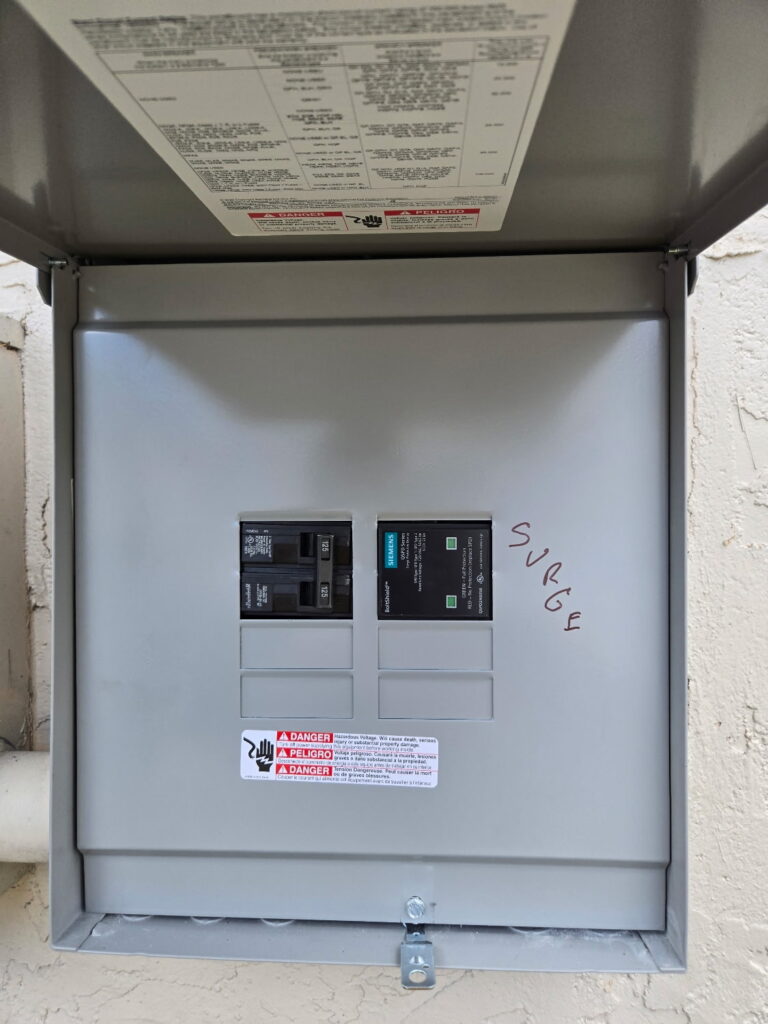
Power surges are one of the most underrated threats during hurricane season, and they strike in more ways than people expect. Lightning is the obvious culprit, but the larger danger often comes from the grid itself when power returns after an outage. That sudden rush of voltage can overwhelm electronics, motors, and nearly anything plugged into the wall. A whole house surge protector installed at your main panel acts as the first line of defense for the entire home. It clamps down on excess voltage before it spreads to your circuits and your devices. This protection guards expensive systems like air conditioners, refrigerators, and home theaters that simple plug in strips cannot fully cover. Layered protection at the panel and at the outlet gives you the strongest possible shield against storm damage.
Many homeowners rely only on cheap power strips, which offer very limited protection against a serious surge. These strips wear out over time and often fail silently, leaving your electronics fully exposed without any warning. A whole house device handles the large transients that small strips simply cannot absorb on their own. Pairing the panel mounted unit with quality point of use protectors creates a two stage system that catches surges at both levels. This layered approach protects sensitive equipment such as computers, televisions, and smart home hubs throughout the house. The cost of this protection stays small compared to replacing an entire house full of damaged electronics. Installed correctly, the system works around the clock without any effort from you.
Installation of a whole house surge protector belongs in the hands of a licensed electrician, since it ties directly into your main panel. The device must match your service size and connect to a properly grounded system to function exactly as designed. A professional will confirm that your grounding is sound before adding the protector, since the two components work together. Skipping that check leaves the protector unable to do its job at the very moment a surge arrives. Want to shield every circuit in your home from storm surges? Click here for our whole house surge protection service.
Protecting Your Home Electrical System During And After A Hurricane
Preparation does not end when the storm arrives, because your actions during and after the event matter just as much as the planning. Knowing how to safely shut down your system can prevent fires and protect your equipment from costly flood damage. Staying clear of electrical hazards during the storm keeps you and your family out of harm’s way. Once the weather finally clears, a careful restoration process avoids the deadly mistakes that injure people every year. The sections below explain what to do at each stage so you can act with calm confidence. These steps assume the power may be unstable, so caution guides every single move you make. Following them protects both your home and the people living inside it.
How To Shut Down Your Electrical System Before A Hurricane Hits
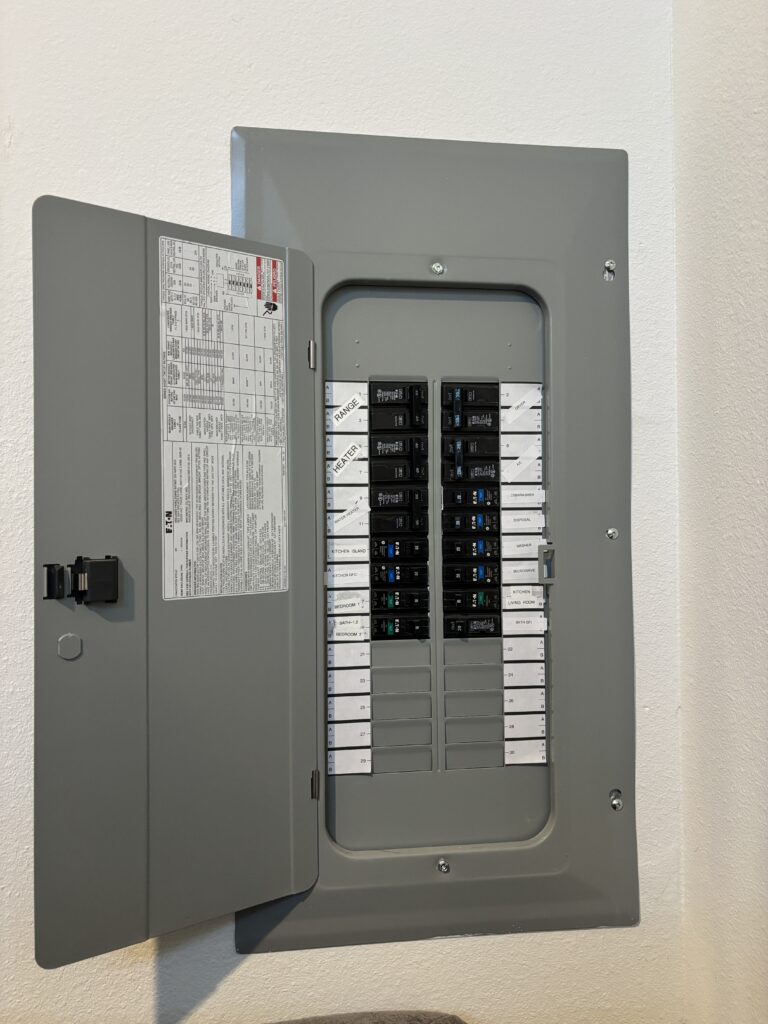
Shutting down your electrical system before a hurricane hits is a smart move when flooding is likely in your area. If water threatens to reach your outlets or panel, cutting power removes the immediate risk of electrocution and electrical fires. Start by unplugging sensitive electronics and small appliances to protect them from any surge that arrives later. Then move to your main breaker, which controls the flow of power to your entire home. Switching off the main breaker is the safest way to de energize your house before water ever arrives. Always stand on a dry surface and keep your hands completely dry when you touch the panel. Never enter standing water to reach a breaker, since that water may already be carrying current.
Timing your shutdown correctly takes a little planning, since you do not want to lose power before you truly need to. Watch local flood warnings and evacuation orders closely, because they tell you exactly when the threat becomes real. If you plan to evacuate, shut off the main breaker as part of your departure routine before you leave. This step protects your home while you are away and prevents problems when power flickers during the storm. Take a moment now to note which appliances should be unplugged ahead of time. Label your main breaker clearly so anyone in the household can find it fast in the dark. A calm, practiced routine beats a frantic search through the house every single time.
Some homes have specialized equipment that needs extra care before any shutdown takes place. Sump pumps, well systems, and medical devices all require a plan that accounts for the sudden loss of power. A backup generator can keep these running, but you must understand how to switch over safely first. Knowing your transfer switch and its proper sequence prevents confusion during a stressful moment. Write down the steps and keep them posted near your panel for quick reference. A clear plan turns a dangerous situation into a manageable one you can handle.
Staying Safe Around Your Electrical System During A Hurricane
Staying safe around your electrical system during a hurricane means respecting the power of water and electricity together. Never touch electrical panels, outlets, or appliances with wet hands or while standing in any amount of water. If you see water rising toward outlets and you have not yet cut power, leave the area and stay clear. Flooded electrical components can energize the water around them, turning an entire room into a hidden hazard. Keep flashlights and battery powered lanterns ready so you never reach for a switch in a flooded space. Candles add a serious fire risk during a storm, so rely on battery light instead at all times. Your personal safety always comes before saving any single piece of equipment.
Downed power lines are among the deadliest threats after wind tears through a neighborhood. Treat every fallen line as live and dangerous, even when it appears still and completely harmless. Stay at least thirty five feet away and keep children and pets far from the entire area. Water, fences, and metal objects can carry current from a downed line over a surprising distance. Report any fallen lines to your utility company and local authorities right away. Do not attempt to move a line or anything touching it under any circumstances at all. Patience here protects your own life and the lives of everyone around you.
If your generator is running during the storm, follow every safety rule without a single exception. Keep portable units far from the house and pointed away from windows and doors at all times. Confirm that exhaust has clear space to disperse so carbon monoxide can never build up indoors. Install carbon monoxide detectors on every level of your home and test them well before the season starts. These detectors give you the early warning that can save your family during a long outage. A working generator is a real comfort, yet it demands constant respect and attention.
Restoring Your Home Electrical System After A Hurricane
Restoring your home electrical system after a hurricane requires patience and a careful eye for hidden damage. Resist the urge to flip the main breaker back on the moment the storm finally passes. If your home took on any water near outlets, wiring, or the panel, the system must be inspected before power returns. Floodwater leaves behind mud, salt, and corrosion that quietly ruin electrical components from the inside out. Energizing a wet system can cause fires, shocks, and lasting damage to your wiring throughout the house. A licensed electrician can determine which parts are safe and which need full replacement. This step protects your home from a second disaster after the storm has already passed.
Walk through your home and look for visible signs of trouble before you call for power restoration. Check outlets and switches for water stains, discoloration, or any lingering burning smell. Inspect your panel for rust, moisture, or any breaker that simply will not reset. Look closely at major appliances that may have been submerged or splashed during the flooding. Anything that touched water should be carefully evaluated before it ever goes back into service. Make a detailed list of damaged items so your electrician can prioritize the repairs. A clear record also helps a great deal when you file an insurance claim for storm losses.
After a major storm, electrical emergencies do not wait for business hours, and fast help truly matters. Sparking outlets, burning smells, and dead panels all call for immediate professional attention. A licensed electrician can safely diagnose the problem and restore power without putting your family at risk. Trying to fix storm damage yourself can quickly turn a simple repair into a tragedy. When you need help right away, a dependable emergency team makes all the difference in the world. Facing an electrical emergency after the storm? Click here for our emergency electrician service. Quick, professional action gets your home back to normal while keeping everyone safe.
Why You Need A Professional To Prepare Your Electrical System For Hurricane Season
Hurricane preparation involves real risks that reward both experience and proper training. A licensed electrician understands local codes, common failure points, and the specific challenges of Gulf Coast storms. Doing this work yourself can create hazards that stay hidden until the worst possible moment. Professional help gives you genuine confidence that your system is ready before the season reaches its peak. The points below explain why expert preparation is worth every single dollar you spend.
Professional Hurricane Season Electrical Preparation Saves Money
Professional hurricane season electrical preparation saves money by stopping small problems before they have a chance to grow. A trained electrician spots worn wiring, weak grounding, and failing breakers that you would likely miss. Fixing these issues ahead of a storm costs far less than repairing the damage they cause during one. A single surge can destroy thousands of dollars in electronics and appliances in an instant. Spending a little on prevention protects the much larger value sitting inside your home. That simple math favors preparation every single time.
Proper installation of generators and surge protection also prevents costly mistakes down the road. Equipment installed without the right knowledge often fails at the exact moment you need it most. A professional sizes your system correctly so you never pay for power you cannot use. Correct wiring keeps your warranty valid and your insurance claims clean and uncomplicated. Many manufacturers require professional installation for their guarantees to even apply. Skipping that step can leave you paying full price for a replacement later.
Energy waste is another hidden cost that good preparation quietly addresses. A well tuned system runs efficiently and avoids the losses that come from faulty wiring. Your electrician can recommend upgrades that lower your bills while improving your storm readiness. These improvements pay you back month after month, long after the season ends. Smart preparation is an investment that keeps on giving back for years.
Professional Electrical Hurricane Prep Keeps Your Family Safe
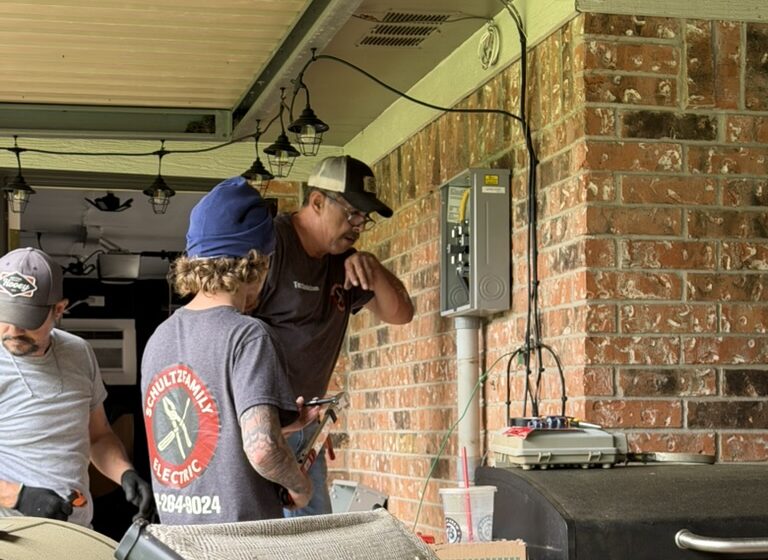
Professional electrical hurricane prep keeps your family safe by removing hazards before they ever threaten your home. Electricity and storms create a dangerous mix that punishes shortcuts and guesswork without mercy. A licensed electrician follows safety codes designed specifically to protect lives during extreme weather. Their work reduces the risk of fires, shocks, and the carbon monoxide dangers that come with backup power. Every connection they make is tested and verified before they ever leave your property. That level of care gives your family real and lasting peace of mind.
Backup power systems carry serious safety requirements that only proper training can satisfy. A correct transfer switch protects utility workers and your own household from deadly backfeed. Generators must be placed and vented correctly to keep exhaust far away from living spaces. A professional handles these details so your family stays protected through the longest outage. That kind of protection is simply impossible to put a price on.
Children, older adults, and anyone with medical needs face the highest risk during a storm. A reliable electrical system keeps essential equipment running when the grid finally goes down. Knowing your home is ready lets you focus on caring for the people who depend on you. That confidence matters most when the wind is howling loudly outside. Safety planning today protects the ones you love tomorrow.
Why Choose Schultz Family Electric For Hurricane Season Electrical Preparation
Schultz Family Electric brings small town values and local knowledge to every hurricane preparation job in Brazoria County. We are based right here in Angleton, so we understand the storms that hit our area and the homes that face them. When you call us, you speak to a real person who listens and helps, never an automated system. We believe in building lasting relationships, which means honest recommendations and zero pressure to buy what you do not need. Our team treats your home as if it were our very own. That commitment shows clearly in every job we complete.
Our work is backed by full licensing under number 748217 and a lifetime craftsmanship warranty on every install. Trained professionals handle your electrical work and stand behind it long after the job is done. We waive our diagnostic fee when you choose us for the repair, so you know your options before any work begins. There are no surprises and no hidden costs, just clear pricing and quality results you can trust. We aim to be your electrician for life, not just for a single day. That promise guides how we treat every customer who calls.
Hurricane season waits for no one, so the time to prepare your home is right now. Schultz Family Electric is ready to inspect your system, install your backup power, and protect your home from damaging storm surges. We serve Angleton and the surrounding Brazoria County communities with fast response times and familiar, friendly service. Let our team give you the confidence that your electrical system can stand up to the next storm. Call us today at (979) 264-9024 to schedule your hurricane preparation service. We will help you face the season with a home that is truly ready for anything.