
Where GFCI Outlets Are Required In Modern Homes
GFCI outlets protect your family from electrical shock in the rooms where danger is highest, and modern building codes now require them in more places than ever before. GFCI stands for ground fault circuit interrupter, a special outlet that shuts off power in a fraction of a second when it detects a dangerous imbalance in the electrical current. These outlets watch the flow of electricity constantly, and they react faster than any breaker in your panel. Homeowners across Brazoria County often ask us which rooms legally require this protection, especially after a remodel or a home inspection flags an issue. The answer has grown over the years as the National Electrical Code expanded its rules to cover more locations near water and moisture. Summer in Angleton brings pool season, outdoor cooking, and heavy use of garage tools, so this is the perfect time to confirm your outlets meet current safety standards. This guide walks through every area of a modern home where GFCI protection is required, why those rules exist, and how a licensed electrician keeps your house compliant and safe. Knowing these requirements helps you protect the people you love and avoid failing an inspection when you sell or refinance.
Where GFCI Outlets Are Required In Modern Homes Room By Room
Every room in a modern home has its own GFCI requirements based on how close the outlets sit to water, moisture, or the ground. The National Electrical Code groups these requirements by location, and most updated jurisdictions in Texas follow recent editions that broadened the list significantly. Kitchens, bathrooms, garages, laundry rooms, basements, and outdoor spaces all fall under mandatory GFCI rules today. If your home was built decades ago, many of these areas likely lack the protection that current code demands. A remodel or panel upgrade often triggers the need to bring older outlets up to standard. Understanding the room by room breakdown gives you a clear picture of where your house may fall short. The sections below cover the most common areas where GFCI outlets are required and what makes each one a higher risk zone.
GFCI Outlets Required In Kitchens And Wet Bars
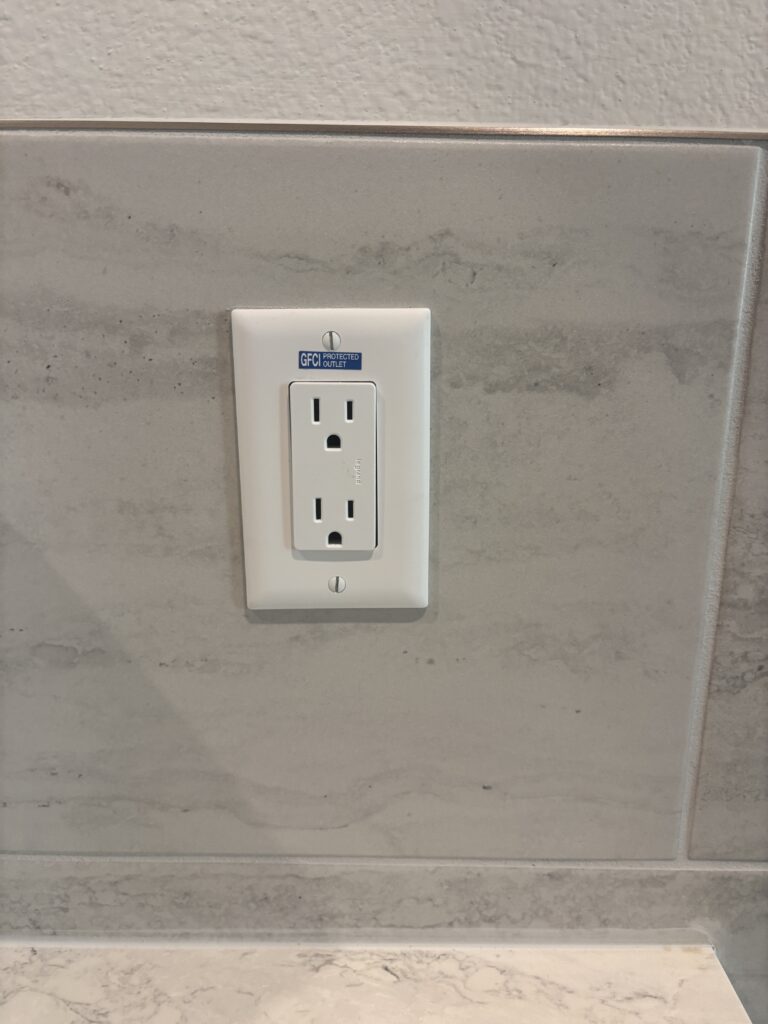
Kitchens carry one of the strictest GFCI requirements in the entire home because water, metal appliances, and electricity all share the same space. Current code requires GFCI protection for all receptacles that serve kitchen countertop surfaces, and recent editions expanded that rule to include nearly every 125 volt receptacle in the kitchen. That means the outlet behind your microwave, the one feeding your dishwasher, and the receptacle near your refrigerator may all need protection depending on the code your county enforces. Countertop outlets sit inches from sinks, coffee makers, and dripping hands, which makes them prime spots for a ground fault. A single splash of water into an unprotected outlet can send current through a person instead of through the wiring. This is exactly the scenario a GFCI outlet is designed to stop, cutting power before the shock becomes deadly. Homeowners frequently discover their older kitchens have only standard outlets, leaving a serious safety gap.
Wet bars and island sinks fall under the same logic, since any receptacle within six feet of a sink edge requires GFCI protection. Many homes built before the rule expanded have ordinary outlets sitting right next to a bar sink or beverage station. Entertaining guests during a summer party means blenders, ice makers, and phone chargers all plugged in near running water. The risk rises every time someone reaches across a wet counter with damp hands. Replacing those outlets with proper GFCI units is a straightforward job for a licensed electrician and a major boost to your home safety. We see this gap constantly during inspections in older Angleton and Lake Jackson homes. Correcting it protects both your family and any future buyer who orders a professional inspection.
The cost of ignoring kitchen GFCI requirements goes beyond safety, since a failed inspection can stall a home sale or refinance. Insurance adjusters and appraisers increasingly note missing GFCI protection as a defect that needs correction. Beyond the paperwork, an unprotected kitchen outlet is a genuine hazard for children who explore counters and grab cords. A working GFCI outlet tests easily with the built in buttons and gives you peace of mind every time you cook. Need GFCI outlets installed in your kitchen? Click here for our GFCI outlet installation service. Our team handles the upgrade cleanly and confirms every outlet trips exactly as it should. You get honest work without pressure to add anything you do not need.
GFCI Outlets Required In Bathrooms And Laundry Rooms
Bathrooms require GFCI protection on every receptacle without exception, and this rule has stood firm through many code cycles. The reason is obvious to anyone who has used a hair dryer near a wet sink or stepped out of a shower with damp feet. Water and electricity meet constantly in this room, and the consequences of a fault here can be fatal. A GFCI outlet near the vanity stops current the instant it senses leakage to ground, long before your body absorbs a harmful dose. Older bathrooms often have a single ungrounded outlet that offers no real protection at all. Replacing it gives you a modern safeguard that meets current code and protects everyone who uses the space. This is one of the most important and most overlooked upgrades in any aging home.
Laundry rooms joined the mandatory GFCI list in recent code editions, reflecting how much water moves through that space. Washing machines, utility sinks, and damp floors create a wet environment that demands the same protection as a bathroom. Many homeowners assume the laundry outlet behind the washer is fine because it stays hidden, yet that outlet still sits in a damp location near a metal appliance. A leaking hose or an overflowing sink can introduce water exactly where the current flows. GFCI protection in the laundry room shuts the power down before a small leak becomes a shock hazard. Homes built before the rule changed almost never have this protection in place. Adding it brings your laundry area in line with what modern code requires.
Both rooms benefit from regular testing, since a GFCI outlet that fails to trip offers no protection at all. We recommend pressing the test button monthly and confirming the reset button restores power. If the outlet does not respond, that unit has reached the end of its life and needs replacement right away. Damp environments wear GFCI outlets faster than dry rooms, so bathrooms and laundry areas often need attention first. A licensed electrician can swap a failed unit quickly and verify the wiring behind it is sound. Want a full check of your home safety devices? Click here for our electrical inspection service. Catching a dead GFCI outlet early keeps your most water heavy rooms safe year round.
GFCI Outlets Required In Garages And Outdoor Areas
Garages require GFCI protection on all 125 volt receptacles, a rule that catches many older homes by surprise. Garage outlets power table saws, air compressors, refrigerators, and battery chargers, often on concrete floors that hold moisture. Concrete is a far better conductor than most people realize, which makes a garage one of the easier places to receive a serious shock. A frayed extension cord or a wet tool on a damp floor creates real danger without GFCI protection. The rule covers the whole garage now, not just the outlets near the door. Homeowners who run power tools all summer have a strong reason to confirm their garage outlets meet code. Upgrading them is simple and dramatically lowers the shock risk during heavy projects.
Outdoor receptacles carry the same mandatory requirement, and the reasoning is impossible to miss. Rain, sprinklers, pool splashes, and morning dew all reach outdoor outlets that power string lights, pumps, and patio equipment. An unprotected outdoor outlet exposed to Texas summer storms is a hazard waiting to happen. GFCI protection paired with a proper weatherproof cover keeps the receptacle safe even in wet conditions. Pool and spa areas raise the stakes further, since people stand in or near water while plugging in equipment. Code treats these zones with extra care, requiring GFCI protection and careful placement away from the water edge. Every outdoor outlet in a modern home should trip the moment moisture causes a fault.
Pool wiring and hot tub circuits deserve special mention because they combine large amounts of water with substantial electrical loads. A pool pump or hot tub heater draws serious current, and any fault near a swimmer can turn deadly fast. GFCI protection on these circuits is not optional under current code, and the installation must follow strict bonding and grounding rules. This is not a job for guesswork or a quick fix, since the margin for error around water is razor thin. A licensed electrician handles the wiring, the protection, and the inspection to keep your backyard safe all summer. Families in Angleton, Pearland, and Alvin rely on properly protected pool circuits every swim season. Getting this right protects the people who enjoy your pool most.
Why GFCI Outlets Are Required In These Specific Locations
GFCI outlets are required in these locations because each one places electricity dangerously close to water, moisture, or the ground. The code did not pick these rooms at random; decades of injury and fatality data shaped every rule on the list. A ground fault happens when current escapes its intended path and travels somewhere it should not, often through a person. Water and damp surfaces make that escape far easier, which is why wet locations dominate the requirements. Understanding the science behind these rules helps homeowners see why compliance matters beyond just passing an inspection. The sections below explain how GFCI outlets work, why water raises the danger, and how the electrical code keeps expanding its protection. This knowledge turns a confusing list of rules into a clear safety strategy for your home.
How GFCI Outlets Protect Against Ground Faults
A GFCI outlet works by constantly comparing the current flowing out on the hot wire against the current returning on the neutral wire. In a healthy circuit, those two values match almost perfectly, since all the electricity returns the way it came. When current leaks to ground, perhaps through water or a person, the returning current drops below the outgoing current. The GFCI senses that tiny imbalance, often just four to six milliamps, and cuts the power in milliseconds. That speed is what saves lives, because a shock becomes dangerous long before a standard breaker would ever trip. The whole process happens faster than your nervous system can register the danger. This is the core reason these outlets earn their place in every wet room of the home.
The difference between a GFCI outlet and a regular outlet comes down to this monitoring ability. A standard outlet simply passes power through and trips nothing until the circuit overloads, which protects your wiring but not your body. A GFCI outlet protects the person, reacting to leakage levels far below what a breaker notices. This is why code requires GFCI protection in wet areas rather than relying on the panel alone. The breaker guards the house while the GFCI guards the human standing in front of it. Both work together, yet only one responds fast enough to a ground fault near water. Homeowners who understand this distinction rarely hesitate to upgrade their outlets.
Testing keeps this protection reliable, since the internal components can wear out over time. The test button creates a small artificial fault to confirm the outlet trips as designed. The reset button restores power once you have verified the trip worked. A GFCI outlet that fails this test has lost its protective ability and must be replaced. Damp rooms and outdoor exposure shorten the lifespan of these units, so regular testing matters most in those areas. We always recommend a monthly check across every GFCI outlet in your home. A simple habit like this keeps the safeguard ready the moment you actually need it.

GFCI Outlets Required Near Water And Damp Locations
Water conducts electricity, which is the single most important fact behind every GFCI requirement in the home. Pure water resists current somewhat, but the water in your home carries minerals, salts, and impurities that make it an excellent conductor. A wet hand, a damp floor, or a splash on a counter gives current an easy path straight through a person to ground. This is why code clusters GFCI requirements around sinks, tubs, pools, and outdoor spaces. The closer an outlet sits to water, the higher the chance that a fault finds a human victim. GFCI protection breaks that chain before the current reaches a harmful level. Removing the water from the equation is not always possible, so the code removes the danger instead.
Damp locations matter just as much as places with standing water, even when no water is visible. Crawl spaces, basements, and garages all hold moisture in the air and in concrete that touches the ground. A person standing on damp concrete becomes a ready path to ground without ever touching a drop of water. This is why code extended GFCI requirements into these areas in addition to the obvious wet rooms. Many homeowners overlook these spaces precisely because they look dry at a glance. The hidden moisture in a foundation or a slab tells a different story to the electrical current. GFCI protection in these zones guards against a risk that most people never see coming.
Texas weather adds another layer to the damp location concern, especially during humid summers and sudden storms. High humidity along the Gulf Coast keeps garages, sheds, and outdoor outlets damp far more often than in drier climates. Sprinkler systems, pool overspray, and afternoon rain all introduce moisture to receptacles that need protection. Homes in Brazoria County face these conditions for much of the year, raising the stakes for proper GFCI coverage. A receptacle that stays dry in Arizona might face constant moisture here in Angleton. This local reality makes GFCI compliance even more important for area homeowners. Matching your outlets to the climate you actually live in keeps your family protected through every season.
GFCI Outlets Required By Updated Electrical Code
The National Electrical Code updates on a regular cycle, and GFCI requirements have expanded with nearly every edition. Early code editions required GFCI protection only in a handful of obvious spots like outdoor outlets and bathrooms. Over time, real world injury data pushed the code to add kitchens, garages, basements, laundry rooms, and more. Each expansion reflected lessons learned from shocks and fatalities that proper protection would have prevented. Today the list covers most areas of a modern home where water or moisture comes into play. Homes built under older codes carry the gaps that newer editions were written to close. This is why an older house almost always needs GFCI upgrades to match current standards.
Local adoption of the code matters, since jurisdictions choose which edition to enforce and when. Many Texas counties have moved to recent code editions that include the broadest GFCI requirements yet. A remodel, addition, or panel upgrade typically triggers the need to meet whatever edition your area currently enforces. This is where homeowners often discover their existing outlets fall short of the new rules. An inspector reviewing your work will flag any wet area that lacks the required protection. Bringing those outlets up to code becomes part of finishing the project correctly. A licensed electrician stays current on these editions and knows exactly what your county requires.
Staying compliant protects more than your safety, since code violations can complicate sales, insurance, and refinancing. Home inspectors routinely test GFCI outlets and report any that are missing or failing. A buyer who learns the kitchen and bathrooms lack proper protection may demand repairs or walk away. Insurance carriers increasingly treat missing GFCI protection as a liability worth noting. Correcting these issues before they surface keeps your transactions smooth and your home marketable. Want to know exactly where your home stands? Click here for our electrical inspection service. A thorough inspection maps every outlet against current code so nothing catches you off guard.
Why You Need Professional GFCI Outlet Installation
Professional GFCI outlet installation protects your family, your home value, and your peace of mind in a way that guesswork never can. Wiring a GFCI outlet correctly requires knowledge of line and load terminals, proper grounding, and the right placement for each location. A mistake in any of these areas can leave the outlet unprotected even when it looks installed correctly. A licensed electrician confirms every connection, tests every trip, and verifies your home meets current code. This is the kind of work that protects lives, so it deserves a trained professional rather than a weekend experiment. Schultz Family Electric brings the experience and the warranty to back every install. The sections below explain when to schedule installation, how inspections find gaps, and why local homeowners trust our team.
When To Schedule GFCI Outlet Installation
The best time to schedule GFCI outlet installation is before a problem forces your hand. Summer pool season, garage projects, and outdoor entertaining all raise your daily exposure to wet location outlets. Confirming your protection before heavy use beats discovering a gap after someone gets shocked. A remodel or a new appliance is another natural trigger, since fresh work must meet current code. Homeowners planning to sell should also act early, since inspections almost always test GFCI outlets. Getting ahead of these moments keeps you in control of the timeline and the cost. Scheduling on your terms beats scrambling after an inspector writes up a violation.
Older homes deserve attention even without an immediate project on the calendar. Houses built decades ago rarely have the broad GFCI coverage that modern code requires. Each year you wait leaves your kitchen, garage, and outdoor outlets without the protection your family deserves. A quick assessment reveals exactly which rooms fall short and what the upgrade involves. Most installations take far less time and cost far less than homeowners expect. The safety gain, however, is immediate and lasting. Acting now turns a hidden risk into a solved problem.
Failed or aging GFCI outlets also signal that installation time has arrived. An outlet that will not reset, will not trip, or shows visible damage has lost its protective value. Damp rooms and outdoor exposure wear these units down faster than dry interior spaces. Replacing a failed GFCI outlet promptly restores the safeguard your home depends on. We can swap a single bad unit or upgrade an entire home in one visit. Either way, you walk away knowing every protected outlet works exactly as designed. That certainty is worth scheduling the moment you notice a problem.
How An Electrical Inspection Finds Missing GFCI Outlets
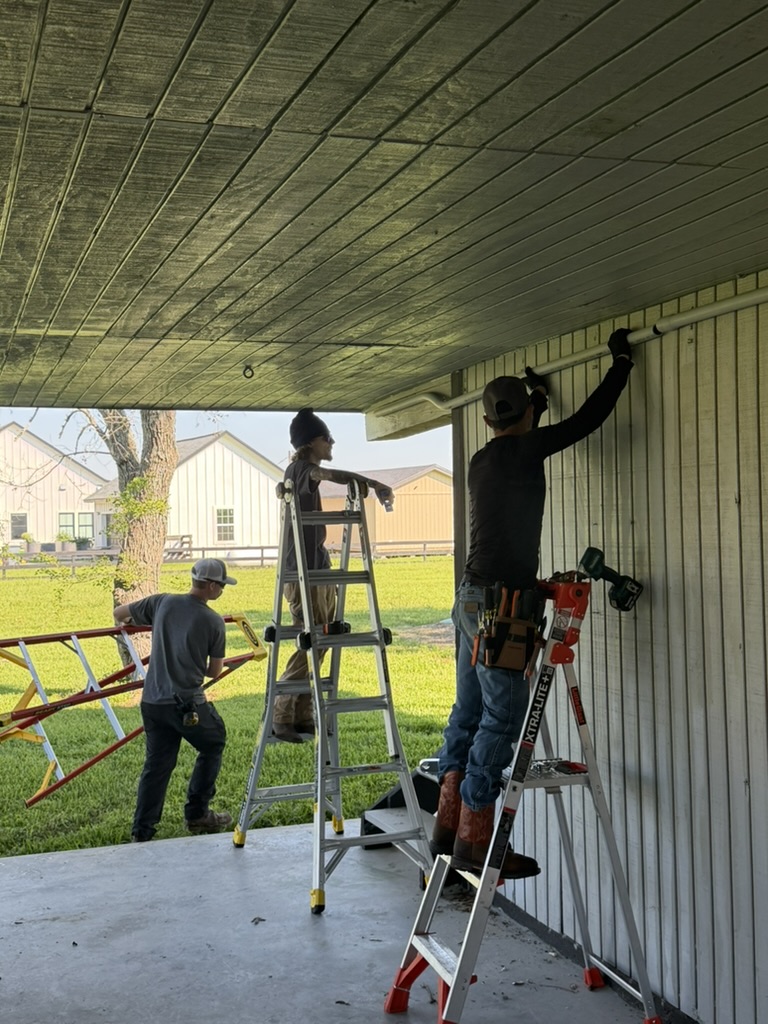
An electrical inspection is the most reliable way to find every outlet in your home that lacks required GFCI protection. Our electricians walk through each room, test every receptacle, and compare your setup against current code. This process catches the gaps that homeowners miss, especially in garages, basements, and laundry areas. We test each GFCI outlet to confirm it trips and resets the way it should. An outlet that looks fine on the surface can still fail this test and offer no real protection. The inspection turns guesswork into a clear, written picture of your home safety. From there you know exactly what needs attention and what already meets code.
The inspection also reveals deeper wiring issues that affect GFCI performance. A miswired outlet, a missing ground, or a reversed connection can stop a GFCI from working even when it powers your devices. These hidden faults rarely show up without proper testing equipment and a trained eye. Catching them protects you from a false sense of security around water. Our team identifies these problems and explains your options before any work begins. You know the full picture and the cost up front, with no surprises. That transparency is part of how we build trust with every homeowner we serve.
Beyond GFCI outlets, a full inspection checks your panel, your grounding, and your overall electrical safety. Many homeowners schedule an inspection for one concern and learn about several smaller issues worth addressing. We waive our diagnostic fee when you choose us to handle the repair, so the inspection pays for itself. This approach gives you a complete view of your home electrical health in one visit. Need a thorough review of your wiring and outlets? Click here for our electrical inspection service. Catching small problems early keeps them from growing into expensive emergencies. A single inspection often saves far more than it costs.
Why Choose Schultz Family Electric For GFCI Outlet Installation
Schultz Family Electric treats every customer as an electrician for life, not a one time sale. You get honest recommendations and quality work without upsells or pressure to buy things you do not need. When you call us, you speak to a real person who knows the trade, not an automated menu. We are based right here in Angleton and serve Brazoria County every day, which means faster response times and real familiarity with local homes. That local knowledge matters when Gulf Coast humidity and pool season shape your electrical needs. We bring small town values to every job, treating your home the way we would treat our own.
Our work is fully licensed under number 748217 and backed by a lifetime craftsmanship warranty on every job. Trained professionals handle your GFCI outlet installation and stand behind every connection they make. We waive our diagnostic fee when you choose us for the repair, so you know your options before any work begins. That means full transparency, clear pricing, and no surprises when the job is done. We would rather earn your trust once and serve your family for years than chase a quick sale. This is the kind of relationship that keeps neighbors recommending us across the county.
Ready to protect your home with proper GFCI protection in every required room? Our team handles installation, replacement, and inspection with the care your family deserves. Click here for our GFCI outlet installation service to get started today. Call Schultz Family Electric at (979) 264-9024 to schedule your visit and speak directly with a knowledgeable team member. We will confirm exactly where your home needs GFCI outlets, explain your options clearly, and back the work with our lifetime warranty. Trust the local electricians who treat your safety like family and stand behind every install.