What Causes An Electrical Panel To Overheat In The Summer Heat
Summer in Brazoria County pushes electrical systems harder than any other season of the year. Your air conditioner runs almost nonstop, and that steady demand flows straight through your electrical panel hour after hour. When the panel cannot handle that load, or when connections inside it weaken, heat builds up fast and silently. An overheating panel is not a small problem; it ranks among the most common causes of residential electrical fires. Many homeowners never notice the warning signs until a breaker trips or they catch the smell of something burning. The good news is that an overheating panel almost always gives clues before it fails completely. Understanding why panels overheat in the heat helps you act early and protect your family and your home. This guide breaks down the real causes, the warning signs, and the steps that keep your panel safe all summer long.
Common Reasons An Electrical Panel Overheats In Summer Heat
An electrical panel overheats for reasons that stack on top of each other during the hottest months. High outdoor temperatures raise the baseline heat around the panel before any electricity even begins to flow. Add the heavy cooling load most homes run in July and August, and the panel works near its limit for hours at a stretch. Loose connections, corroded parts, and aging breakers all create extra resistance, and resistance always turns into heat. Older panels were never sized for the power demands of a modern Texas home. Each of these factors raises the internal temperature a little more than the last. Together they can push a panel well past safe operating levels. The sections below explain the main causes so you know exactly what to watch for.
How High Summer Heat Forces An Electrical Panel To Overheat
Electrical panels are designed to release heat into the air around them as part of normal operation. They rely on the difference between the warm components inside and the cooler air outside the cabinet to stay safe. When the air around the panel is already hot, that release slows down dramatically. A garage or exterior wall in Angleton can climb well past 100 degrees on a July afternoon. The panel sits in that heat with no easy way to shed its own warmth. Components that normally run warm now run hot because the surrounding air offers no relief. This is why panels that behave fine in winter suddenly struggle once temperatures spike. The heat outside the cabinet quickly becomes part of the problem inside it.
Heat affects the metal parts inside a panel in measurable and predictable ways. Busbars, lugs, and breaker contacts all expand slightly as they warm during the day. That expansion can loosen connections that were once tight and secure. A looser connection carries the same current across less contact surface area. Less contact means higher resistance, and higher resistance produces even more heat at the joint. The cycle feeds itself through the hottest part of the afternoon. By late in the day a panel can be far hotter than its rated limit. Repeated summers of this kind of stress wear components down faster over time.
Location plays a major role in how badly summer heat affects any given panel. Panels mounted in unconditioned garages, hot attics, or direct sun face the worst possible conditions. A panel on a shaded north wall stays much cooler than one baking in the afternoon sun. Poor ventilation around the cabinet traps heat and makes every other problem worse. Some homes have panels crowded behind storage or boxed in by a past remodeling job. That trapped air gives the panel nowhere to dump the heat it generates. A simple location change or added clearance can lower operating temperatures significantly. An experienced electrician can tell quickly if your panel sits in a heat trap.

How Air Conditioning Load Makes An Electrical Panel Overheat
Air conditioning is the single largest electrical load in nearly every Texas home. A central system can pull a large share of your home’s total capacity the moment it starts up. During a heat wave that system runs almost continuously, day and night. Every amp it draws passes through the main breaker and the busbars in your panel. Sustained high current keeps those components warm for hours with no chance to cool. Unlike a quick burst from a microwave, cooling load is long, heavy, and steady. That steady draw is exactly what causes heat to accumulate inside the cabinet. The harder your air conditioner works, the harder your panel works right alongside it.
Many homes run far more than just the air conditioner during summer. Pool pumps, garage refrigerators, and dehumidifiers all add to the total demand at once. Each of these devices stacks its load onto the same panel at the same time. The panel has a fixed capacity, and summer pushes it closer and closer to that ceiling. A panel running near full capacity for hours on end simply runs hotter. Breakers that sit near their trip threshold generate extra heat of their own. The combined load can overwhelm an older panel that was never sized for it. This is a common reason homeowners start seeing nuisance trips once the heat arrives.
Startup surges add yet another layer of stress during the summer months. A central air conditioning compressor draws a large spike of current the instant it kicks on. That surge passes through the panel many times per day as the system cycles on and off. Each surge briefly heats the breaker and the connections feeding the unit. A dedicated circuit sized correctly for the air conditioner handles these surges safely. A circuit that is undersized or shared takes the brunt of every single cycle. Over a long summer those repeated surges accelerate wear and speed up heat buildup. Proper circuit sizing keeps that stress within safe and manageable limits.
How Loose Connections And Aging Parts Make An Electrical Panel Overheat
Loose connections are one of the leading causes of panel overheating in any season. Every wire that lands on a breaker or busbar is held in place by a screw or a lug. Over years of heating and cooling, those connections can slowly work themselves loose. A loose lug forces electricity across a smaller and imperfect contact point. That bottleneck creates resistance, and resistance always produces heat right at the joint. You may see scorch marks, discoloration, or melted insulation near the connection. Summer heat accelerates this damage because the panel is already running hot to begin with. A loose connection that survives the winter can fail badly under heavy July load.
Corrosion adds to the problem in humid coastal areas like Brazoria County. Salt air and moisture can corrode the metal surfaces inside an electrical panel over time. Corroded contacts carry current poorly and heat up quickly under load. Aluminum wiring in many older homes oxidizes and expands more than copper does. That oxidation increases resistance right where the wire meets the breaker terminal. The result is a growing hot spot that gets worse with each passing season. Many panels from past decades used components that degrade in exactly this way. A trained electrician can spot corroded or oxidized connections during a thorough inspection.
Breakers themselves wear out and can become a heat source over time. A breaker is a mechanical device with internal contacts that open and close repeatedly. After thousands of cycles, those contacts pit and lose their clean, low resistance surface. A worn breaker carries current with more resistance and naturally runs warmer. Some older panel brands are known for breakers that fail to trip and overheat instead. Replacing a failing breaker is a straightforward repair when the problem is caught early. Ignoring a hot breaker invites a melted bus or, in the worst case, a fire. If your panel feels warm to the touch, treat that warmth as a clear signal to call a professional. Need a hot or damaged panel checked out fast? Click here for our electrical panel repair service.
Warning Signs Your Electrical Panel Is Overheating In Hot Weather
An overheating panel rarely fails without giving you some kind of warning first. The signs are easy to miss if you do not know what to look for. Some clues you can see, some you can smell, and some you can feel with your hand. Catching these signs early is the difference between a simple repair and a dangerous failure. Summer is the season when these warnings tend to show up most often. The heat and the cooling load expose weaknesses that stay hidden the rest of the year. The sections below walk through the most important signs to watch for. Each one deserves your attention the moment you notice it.
Smells And Sounds That Signal An Electrical Panel Is Overheating
Your nose is one of the best early warning tools for a panel problem. Overheating wires and insulation give off a sharp, plastic burning odor that is hard to ignore. That smell often appears before any visible damage shows up on the panel. A faint fishy or acrid smell near the panel points directly to overheating components. The odor may come and go as the cooling load rises and falls through the day. You should never ignore a burning smell coming from any electrical equipment in your home. Turn off major loads if you safely can and call an electrician right away. The smell means heat has already begun to damage materials inside the cabinet.
Sound offers another reliable clue that something inside the panel is wrong. A healthy electrical panel operates silently under normal conditions. Buzzing, humming, or crackling from the panel signals a real problem behind the cover. That noise often comes from arcing across a loose or damaged connection. Arcing produces intense local heat and is a serious fire risk in any home. A sizzling sound suggests current is jumping a gap that it should never cross. These sounds tend to grow louder as the load increases through the afternoon. Any unusual noise from a panel calls for an immediate professional inspection.
Some panels show several signs that combine smell, sound, and sensation all at once. A panel that buzzes, smells hot, and feels warm has multiple problems stacking together. You might also hear breakers clicking as they trip under the summer strain. Frequent tripping during the hottest hours is a pattern that is well worth noting. Write down when the signs appear and what was running at the time. That information helps an electrician find the underlying fault faster. The earlier you report these clues, the cheaper and safer the eventual fix. Trust your senses, because they often detect a panel problem before any meter does.
What You Can See And Feel When An Electrical Panel Is Overheating
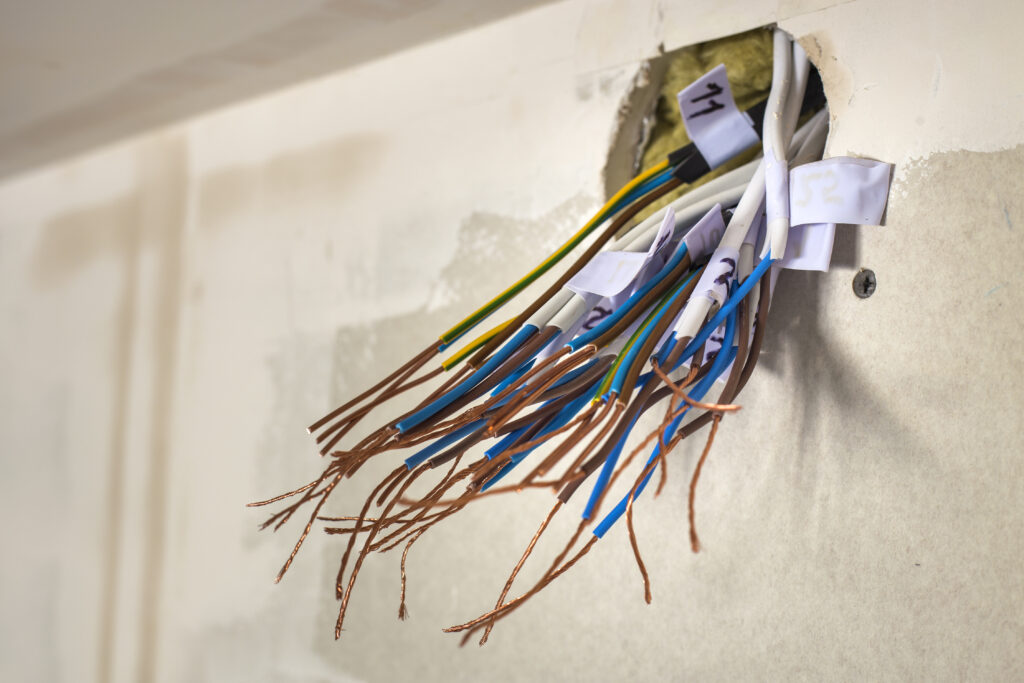
Visible damage on or around a panel is one of the strongest warning signs. Look for brown or black scorch marks near the breakers or along the cover. Discolored or melted breaker faces point clearly to serious heat damage inside. Bubbled paint on the panel door can mean high heat building up behind it. Any sign of melting on the wires or their insulation is a true emergency. These marks show that components have already passed safe temperatures. Damage like this does not heal and will only spread under continued summer load. A panel showing burn marks needs professional attention without any delay.
Touch can reveal an overheating panel when you use it carefully and safely. The panel cover may feel warm or even hot on a typical summer afternoon. A breaker that feels hot to a quick, light touch is carrying too much heat. The area of wall directly behind the panel can also feel unusually warm. Never open the panel or touch any internal parts on your own. The outer cover is enough to tell you that something is wrong inside. Compare how the panel feels in the cool morning versus the hot late afternoon. A large temperature swing through the day points to load related overheating.
Behavior is another set of signs you can observe without any tools at all. Lights that flicker or dim when the air conditioner starts hint at a strained panel. Breakers that trip again and again under summer load are sending a clear message. Outlets near the panel that suddenly stop working may share an overheated circuit. A panel that trips only during the hottest hours points straight to heat and load. These patterns tell a clear story once you connect them together. None of them should be dismissed as just a quirk of an older house. Each one is your home asking, plainly, for a professional inspection. Worried your panel is running too hot to ignore? Click here for our electrical inspection service.
Why An Overheating Electrical Panel Becomes Dangerous Fast
An overheating panel sits at the very heart of your home’s electrical system. Every circuit in the entire house runs through that single cabinet. When the panel fails, the danger reaches every single room you live in. The most serious risk is fire, and panel fires spread quickly inside walls. By the time flames appear, heat has often been building quietly for weeks. This is exactly why the early signs matter so much. A small repair today prevents a catastrophic loss tomorrow. No other part of your home carries this kind of hidden risk.
Heat damage inside a panel tends to accelerate sharply once it gets started. A loose connection that heats up loosens even further as the metal expands. That worsening connection runs hotter, which loosens it more in turn. The same runaway pattern applies to corroded and worn out parts. Steady summer load keeps the panel hot enough to drive this cycle hard. What starts as a warm breaker can become a melted bus in a single season. The progression is rarely steady and often speeds up near the very end. Acting at the first sign breaks this cycle before it ever turns dangerous.
Overheating also threatens the electronics you depend on every single day. A panel that cannot manage load steadily can send irregular power to your home. Voltage problems shorten the life of appliances, computers, and HVAC equipment. Repeated breaker trips can corrupt data and damage sensitive devices. The cost of replacing that equipment adds up far beyond a simple panel repair. Protecting the panel protects everything that is plugged into it. A safe, properly sized panel keeps your power clean and steady all summer long. That stability is worth far more than the modest price of an inspection.
Why You Need A Professional To Fix An Overheating Electrical Panel
An overheating panel is never a safe do it yourself project. The risks of shock, arc flash, and fire are far too high for anyone without proper training. A licensed electrician has the tools and the knowledge to find the real cause safely. Schultz Family Electric handles panel problems across Brazoria County every summer. We diagnose the issue, explain your options clearly, and make the repair right the first time. Acting early keeps your family safe and your power reliable through the worst of the heat.
How A Professional Diagnoses An Overheating Electrical Panel
A professional diagnosis starts with a careful inspection of the entire panel. We check every connection for proper tightness and any signs of heat damage. A thermal camera reveals hot spots that the human eye simply cannot see. We measure the load on each circuit to find what is pushing the panel hardest. This complete picture shows exactly why your panel runs hot in the summer. From there we can recommend the right fix instead of taking a guess.
Not every overheating panel needs the same solution in the end. Some need nothing more than a connection tightened or a worn breaker replaced. Others need a larger panel sized correctly for the home’s real demand. A few have safety defects that call for a full replacement. We explain which path fits your panel and your budget honestly. You get clear options before any work begins, with no pressure at all.
Timing matters a great deal when a panel is already showing signs of heat. We treat panel overheating as the genuine safety issue that it is. For the most severe cases, we move quickly to prevent a fire. We waive our diagnostic fee when you choose us for the repair. That means you learn the real cause without ever paying twice. You always know your options up front, with full transparency every step of the way. Need fast help with a panel that is already running hot? Click here for our emergency electrician service.

How A Professional Repair Keeps Your Electrical Panel From Overheating Again
A proper repair does far more than cool the panel down for today. We address the root cause so the same problem does not return next summer. Loose connections are tightened to the correct torque specification every time. Worn breakers and corroded parts are replaced with quality components. We confirm that each circuit carries a safe load for your home. The result is a panel that handles summer heat exactly the way it should.
Sometimes the best repair is an upgrade to a larger, modern panel. Many homes have grown well past what their original panel can safely handle. Added air conditioning, pools, and electric vehicles all demand more capacity. A modern panel sized for your real load runs cooler and far safer. We size every upgrade to your specific home, not to a generic estimate. An upgraded panel often pays for itself in reliability and lasting peace of mind.
Every repair we make comes backed by a lifetime craftsmanship warranty. We stand behind the work long after our truck leaves your driveway. Quality parts and careful installation prevent the same overheating from returning. We document what we found and what we fixed for your own records. You get a panel that is safe, reliable, and built to last for years. That confidence is what keeps Brazoria County families calling us back.
Why Choose Schultz Family Electric For Your Overheating Electrical Panel
Schultz Family Electric is your electrician for life, not just for the day. We build lasting relationships instead of chasing one time sales. You get honest recommendations and quality work with no upsells and no pressure. When you call us, you reach a real person on our knowledgeable team. There are no automated systems standing between you and direct, helpful answers. That human connection is part of how we do business every single day.
We bring small town values and local service to every job we take. Based right here in Angleton, we serve Brazoria County daily. That means faster response times when your panel suddenly runs hot. We know the homes, the climate, and the local electrical needs firsthand. Our familiarity helps us solve problems quickly and correctly the first time. You are never just a number to anyone on our team.
We are fully licensed under number 748217 and stand behind every install. A lifetime craftsmanship warranty backs all of the work that we do. Trained professionals handle your electrical repairs from start to finish. We waive the diagnostic fee when you trust us with the repair. You get full transparency and no surprises before any work begins. Call Schultz Family Electric today at (979) 264-9024 to schedule service before the next heat wave hits.