
How Hot Tub Wiring Differs From Standard Outdoor Electrical Work
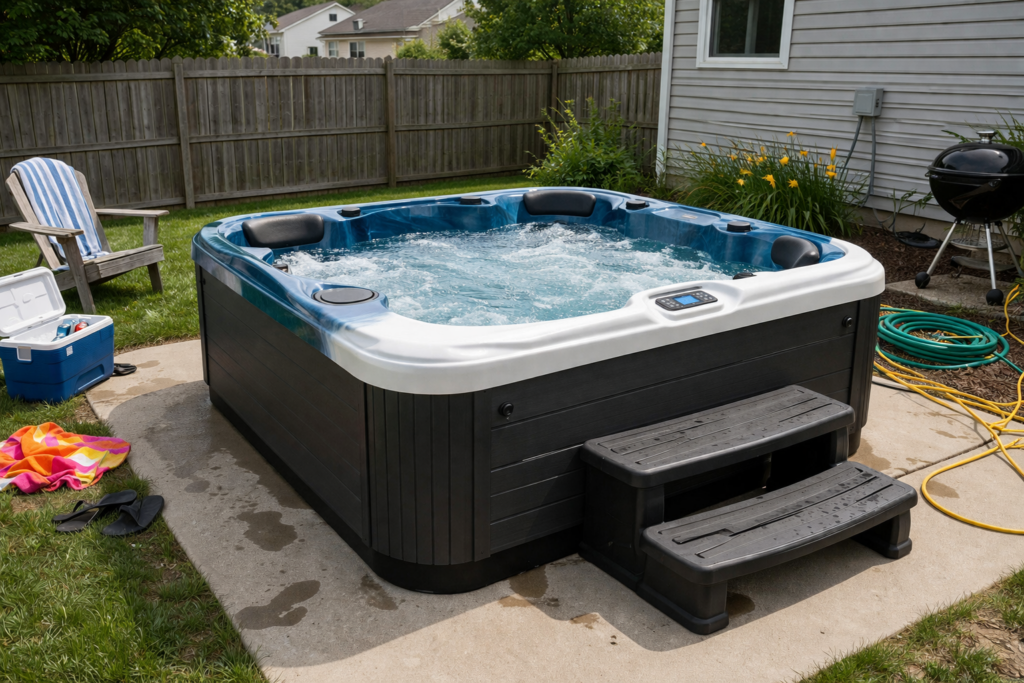
A hot tub looks like a simple backyard upgrade, but the wiring behind it follows a much stricter set of rules than the outlets and lights most homeowners think of as outdoor electrical work. Standard outdoor electrical work covers things like patio receptacles, landscape lighting, and exterior security fixtures, and those jobs run on familiar 120 volt circuits with basic weather protection. A hot tub, on the other hand, combines water, heat, powerful pumps, and constant moisture in one enclosed space, and that combination raises the risk of shock dramatically. Because of that risk, the National Electrical Code dedicates an entire article to pools, spas, and hot tubs, and the wiring requirements jump several levels above a typical exterior outlet. You are dealing with higher voltage, dedicated circuits, special breakers, and a bonding system that ordinary outdoor work never touches. Many homeowners assume an existing patio outlet can power the spa, and that mistake leads to tripped breakers, failed inspections, and serious safety hazards. The voltage demands, the grounding rules, and the placement of the disconnect all change once a hot tub enters the picture. Understanding those differences helps you plan the project correctly and avoid the dangerous shortcuts that put families at risk every year.
What Makes Hot Tub Wiring Different From Standard Outdoor Electrical Work
The core difference comes down to power, protection, and proximity to water. A standard outdoor circuit might feed a few fixtures pulling a small load, while a hot tub draws heavy current to run heaters and jets at the same time. That heavy draw forces a dedicated high voltage circuit instead of a shared line, and the wire size grows to match. On top of that, the code requires layered shock protection because someone sitting in a hot tub is wet, grounded, and unable to let go quickly if a fault occurs. Standard outdoor electrical work uses weather resistant outlets and basic ground fault protection, yet a hot tub adds a dedicated spa disconnect, a bonding grid, and tighter placement rules. Even the distance between the electrical equipment and the water surface is regulated down to the foot. Each of these layers exists for a reason, and skipping any one of them creates a path that can carry current into the water. The sections below break down the three biggest gaps between a hot tub install and a routine exterior job.
Hot Tub Wiring Requires a Dedicated 240 Volt Circuit Unlike Standard Outdoor Electrical Work
Most full size hot tubs run on 240 volts and pull anywhere from 40 to 60 amps, and that demand alone separates them from nearly all standard outdoor electrical work. A typical patio outlet or exterior light runs on a 120 volt circuit shared with other devices, and the wire feeding it is usually 14 or 12 gauge copper. A hot tub cannot share a circuit with anything else; it needs its own home run straight from the main panel to a dedicated spa breaker. That dedicated line commonly uses 6 gauge copper conductors to handle the heavy continuous load without overheating. When you try to power a spa from an existing outdoor outlet, the circuit overloads almost instantly, the breaker trips, and the wiring can warm to dangerous levels over time. This is exactly why a proper dedicated circuit installation matters so much for any hot tub project. A licensed electrician sizes the breaker and conductors to the exact nameplate rating printed on your spa, and that sizing keeps the system cool and code compliant.
The 240 volt requirement also changes the way the circuit reaches the equipment, since these larger conductors usually travel through conduit rather than the simpler cable runs used elsewhere. Standard outdoor electrical work often relies on direct burial cable or basic weather resistant wiring for short, low draw runs. A hot tub feed almost always runs through rigid or PVC conduit to protect the heavier conductors from physical damage, sunlight, and moisture intrusion. The conduit also gives the wiring a clear, organized path from the panel to the spa pack disconnect. Plug in spa models do exist, and those smaller 120 volt units behave more like ordinary outdoor work, yet they heat slowly and offer far less performance. Most homeowners who want strong jets and quick heating end up with a 240 volt hardwired model, which lands the project squarely in hot tub territory. The jump from a simple shared outlet to a dedicated 240 volt run is the single clearest line between the two types of work.
Load calculation is another piece that standard outdoor electrical work rarely demands, and it becomes essential the moment a hot tub joins the system. Before any wire goes in the ground, a qualified electrician checks the capacity of your main panel to confirm it can carry the added 240 volt load. Older homes with smaller service panels sometimes lack the spare capacity for a 50 amp spa circuit, and forcing one in without checking creates a fire and overload risk. In those cases, the panel may need an upgrade before the hot tub circuit can be added safely. A routine patio light never triggers this kind of evaluation because its draw is tiny by comparison. The hot tub, however, sits among the largest single loads a home can add outdoors. Getting the load math right at the start prevents nuisance trips, protects the rest of your circuits, and keeps the whole installation within code.
Hot Tub Wiring Needs GFCI Protection Beyond Standard Outdoor Electrical Work
Ground fault protection is the heart of hot tub safety, and the way it is applied goes well beyond the GFCI outlets used in standard outdoor electrical work. A patio receptacle gets a GFCI outlet or a GFCI breaker, and that single device shuts off power when it senses a small current leak. A hot tub uses a dedicated GFCI breaker rated for the full 240 volt, high amperage circuit, and that breaker usually lives inside a spa disconnect panel mounted near the tub. This breaker watches both hot legs and the neutral, and it cuts power in a fraction of a second if any current strays toward ground through a person or the water. Because a bather is wet and grounded, even a tiny fault that would barely tingle on dry skin can be deadly in a tub. That is why the code treats GFCI protection for spas as mandatory and non negotiable. The protection here is larger, more sensitive in context, and far more critical than a standard exterior outlet.
The placement and packaging of this protection also set hot tub work apart from a normal outdoor receptacle install. With standard outdoor electrical work, the GFCI device sits at the outlet itself or back at the breaker panel, and that is the end of it. A hot tub system stacks a manual disconnect with the GFCI breaker in a weatherproof enclosure, giving both shock protection and a quick shutoff in one location. This spa panel must sit within sight of the tub yet a safe distance away, so anyone can kill power fast without reaching over the water. The familiar GFCI outlet installation you might add to a kitchen or bathroom uses the same principle, but the spa version handles much more power and serves a much higher risk environment. Wiring the neutral correctly through a 240 volt GFCI breaker is also a common spot where untrained installers make mistakes. A miswired neutral causes the breaker to trip constantly or, worse, fail to protect at all.
False savings tempt many homeowners into reusing an existing outdoor circuit, and that choice almost always defeats the GFCI protection a hot tub demands. A standard weatherproof outlet, even a GFCI one, is not rated to carry the sustained load of a spa heater and pumps. When the load exceeds the circuit, the protection device either trips repeatedly or overheats, and neither outcome keeps anyone safe. Pool wiring faces these same elevated standards, which is why a proper pool wiring and spa setup always uses purpose built ground fault equipment sized for the job. A licensed electrician selects the correct GFCI breaker, mounts the disconnect in the right spot, and tests the trip function before the tub fills. That testing step confirms the protection actually works, rather than assuming it does. Standard outdoor work simply never carries this level of verification, because the stakes are nowhere near as high.
Hot Tub Wiring Demands Bonding and Grounding That Standard Outdoor Electrical Work Skips
Bonding is the requirement that surprises most homeowners, since standard outdoor electrical work almost never involves it, yet hot tub wiring cannot pass inspection without it. Bonding ties all the metal parts in and around the spa together with a continuous copper conductor, usually 8 gauge solid copper. The goal is to bring every metal surface to the same electrical potential, so no voltage difference can form between, say, a metal handrail and the water. Without bonding, a small fault elsewhere in the system could leave one metal part energized while another stays at ground, and a bather touching both would complete the circuit. Standard exterior outlets and lights rely on the equipment grounding conductor alone, which protects the device but does not equalize everything a wet person might touch. The hot tub bonding grid wraps the pump, the heater, metal ladders, nearby metal fixtures, and even reinforcing steel in some installations. This network is invisible once the job is done, but it is one of the most important parts of the entire system.
Grounding works alongside bonding, and together they form the safety backbone that ordinary outdoor work handles in a much lighter way. The grounding conductor gives fault current a safe path back to the panel so the breaker can trip, while bonding keeps surfaces at equal potential so current never wants to travel through a person. A hot tub feed carries a full size equipment grounding conductor sized to the circuit, and that ground connects the spa pack, the disconnect, and the panel into one protected chain. Proper electrical grounding and bonding work hand in hand, and an electrician who treats them as the same thing will get the install wrong. The code spells out which parts must be bonded and how far the bonding must extend around the tub, generally covering metal within five feet of the inside walls. Standard outdoor electrical work has no such perimeter rule because it never assumes a wet, grounded person sitting in the middle of the equipment. The difference in approach is exactly why hot tubs need a specialist rather than a general handyman.
The consequences of skipping bonding are severe and often hidden until something goes wrong. A hot tub wired without a proper bonding grid can develop a low level voltage in the water that bathers feel as a tingle, and that tingle is a warning of a much larger danger. People have been seriously injured and even killed by stray voltage in improperly bonded spas and pools, and these incidents are entirely preventable. An inspector will look specifically for the bonding conductor and its connections, and a missing or loose bond is one of the most common reasons a hot tub install fails inspection. A licensed electrician documents the bonding path, secures every clamp, and confirms continuity across all metal parts before energizing the circuit. None of this exists in the world of standard patio outlets and landscape lights, which is precisely why the two jobs should never be treated the same. Bonding is the clearest example of how hot tub wiring lives in its own category of outdoor electrical work.
The Code Rules That Separate Hot Tub Wiring From Standard Outdoor Electrical Work
Beyond voltage and grounding, a whole set of code rules govern hot tub wiring that standard outdoor electrical work never has to follow. These rules dictate where the disconnect goes, how deep the wiring must be buried, and how the project gets permitted and inspected. They exist because the code writers recognize that water and electricity together demand tighter control than dry exterior fixtures. A patio light or outdoor outlet follows general wiring rules with weather protection added, while a hot tub follows a dedicated article packed with distances, depths, and approvals. Missing even one of these requirements can stall a project or, worse, leave a hazard hidden in the yard. The next three sections show how the disconnect placement, the burial depth, and the permitting process all change once a spa is involved. Each rule has a clear safety purpose, and a licensed electrician builds the entire install around them from the first day.
Hot Tub Wiring Disconnect Rules Compared to Standard Outdoor Electrical Work
The disconnect rule is one of the sharpest contrasts between hot tub wiring and standard outdoor electrical work, because a spa requires a dedicated shutoff in a very specific spot. The code says the spa disconnect must be readily accessible, within sight of the hot tub, and located at least five feet from the inside walls of the tub. That five foot rule keeps the switch close enough to reach quickly yet far enough that no one has to lean over the water to use it. Standard outdoor outlets and lights carry no such requirement; their controls can sit anywhere convenient, often back inside the house. The hot tub disconnect exists so that anyone can cut all power in an emergency without putting themselves in danger. This single device protects bathers, gives service technicians a safe way to work, and satisfies a rule that inspectors check on every job. The placement is deliberate, measured, and enforced.
The disconnect also packages the safety hardware in a way that ordinary exterior work never needs, and that packaging adds both cost and complexity. Inside the weatherproof spa panel sits the GFCI breaker, the lugs for the feed conductors, and the connections that carry power on to the spa pack. This enclosure must be rated for outdoor use so rain and humidity cannot reach the live parts inside. A standard outdoor outlet uses a simple in use weatherproof cover and nothing more, since it carries far less power and serves a far lower risk. Mounting the spa disconnect at the correct height, distance, and orientation takes planning that a basic receptacle install does not require. An electrician routes the conduit into and out of this panel cleanly so the whole assembly stays sealed and serviceable. Every one of these steps reflects the higher standard that spa work demands.
Getting the disconnect wrong is a frequent cause of failed inspections and dangerous installs, which is another reason this job belongs with a professional. Some homeowners mount the disconnect too close to the tub, others place it out of sight around a corner, and a few skip the dedicated disconnect entirely. Each of those errors violates the code and removes a layer of protection that exists for a real reason. If a fault ever occurs and the disconnect is unreachable or missing, a bather could be trapped with no fast way to cut power. A licensed electrician knows the exact distances and sight line rules, and places the disconnect to satisfy them on the first try. They also test the disconnect and the GFCI together so you know the shutoff works before anyone climbs in. None of this attention is part of routine outdoor electrical work, which is why the disconnect rule alone shows how different a hot tub really is.
Hot Tub Wiring Burial Depth and Conduit Versus Standard Outdoor Electrical Work
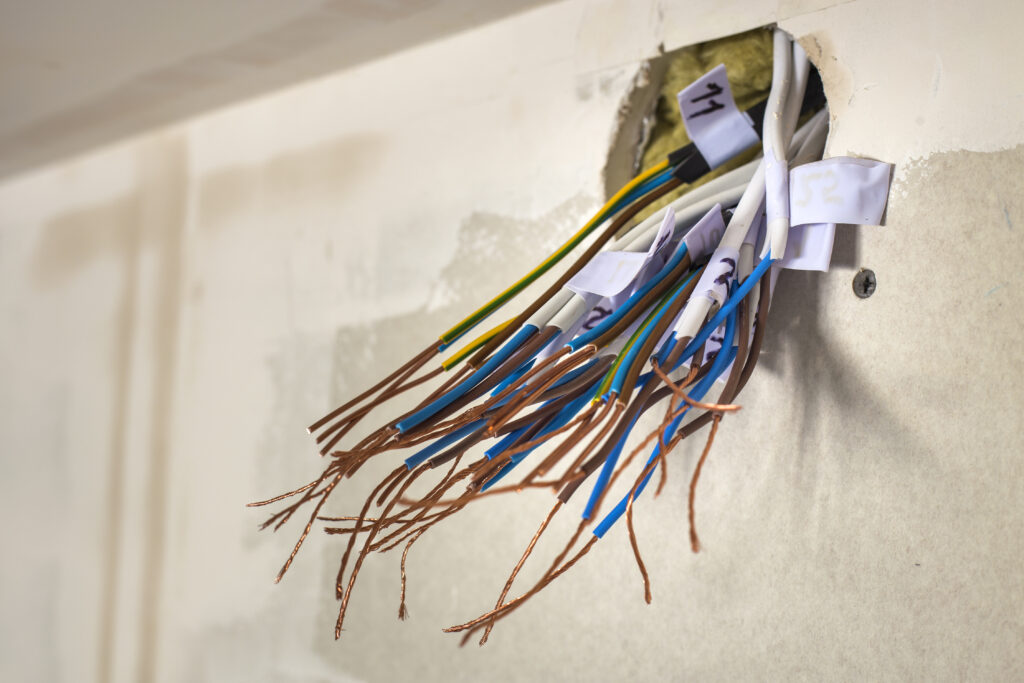
How the wiring travels underground is another area where hot tub wiring follows stricter rules than standard outdoor electrical work. The code sets minimum burial depths based on the type of raceway and the protection around the conductors, and those depths protect the wiring from shovels, roots, and shifting soil. PVC conduit carrying a spa circuit generally needs to sit about eighteen inches deep, while rigid metal conduit can run shallower because it is much tougher. Standard low voltage landscape lighting, by contrast, often runs only a few inches down because it carries little power and poses little risk. The heavier, higher voltage hot tub feed gets buried deeper and protected better, since a damaged spa conductor could energize the ground around it. An electrician plans the trench route, the depth, and the conduit type before any digging begins. This planning keeps the install both legal and durable for decades.
The code also restricts where hot tub wiring can run in relation to the tub itself, adding a layer that ordinary outdoor work ignores completely. Wiring is generally not permitted to run directly under the hot tub or within a defined zone around it unless that wiring is part of the spa system. This rule prevents unrelated circuits from sitting in the high risk area where water and current already mix. Standard outdoor wiring faces no such restriction, because a patio outlet and its feed do not sit at the center of a wet, grounded environment. Routing the spa feed correctly means the electrician maps the trench to approach the disconnect and equipment without crossing forbidden zones. Conduit also shields the conductors from the constant moisture and ground movement common around any in ground or deck mounted spa. These layout rules show how much more thought a hot tub circuit demands than a simple exterior run.
Material choices round out the underground differences, and again the hot tub holds the higher standard. Spa feeds use conductors and conduit rated for wet locations and direct burial, with proper fittings that seal each connection against moisture. The conductors themselves are sized for the heavy continuous load, so they run cooler and last longer underground. Standard outdoor electrical work can sometimes use lighter direct burial cable for short, low draw runs, but a hot tub almost never qualifies for that simpler approach. Sealing the conduit entries, using the right expansion fittings, and protecting the wire where it exits the ground all matter on a spa job. A licensed electrician handles these details as a matter of routine, while an untrained installer often overlooks them and creates a slow failure. The result of doing it right is a buried feed that stays safe and reliable through years of seasons and weather.
Hot Tub Wiring Permits and Inspections Beyond Standard Outdoor Electrical Work
Permitting and inspection requirements make the gap between hot tub wiring and standard outdoor electrical work official, since most jurisdictions treat a spa circuit as work that must be permitted and signed off. A hot tub install adds a major dedicated load, a disconnect, and a bonding system, and inspectors want to confirm each piece meets the code before the tub gets used. Some simple outdoor jobs, like swapping a like for like fixture, may not draw the same scrutiny, but a new spa circuit nearly always does. The permit process documents the work, ties it to the code in force, and creates a record that protects you when you sell the home. Skipping the permit might feel faster, yet it leaves the install unverified and can cause insurance and resale problems later. A licensed electrician pulls the permit, schedules the inspection, and presents the work for approval. That accountability is part of what you pay for with professional spa wiring.
The inspection itself checks specific items that standard outdoor electrical work never has to face, and that focus reflects the higher danger of a spa. An inspector confirms the dedicated circuit size, the GFCI protection, the disconnect distance, the bonding grid, and the burial depth, among other details. Each of these checks targets a known failure point that has injured people in poorly built installs across the country. A routine outdoor outlet inspection, when one even happens, looks at far fewer high stakes items. The spa inspection is thorough because the consequences of a hidden mistake are so serious around water. Passing that inspection gives you real assurance that the system is built to protect everyone who uses the tub. It also confirms the work will hold up to future scrutiny from buyers and insurers.
Working with a licensed electrician streamlines the entire permit and inspection process, which is one more reason this work should never be a do it yourself project. A professional knows the local amendments to the code, the documentation each inspector wants, and the common items that trip up an inspection. They build the install to pass the first time, so you are not stuck with reopened trenches or rewired panels after a failed visit. If an urgent fault ever appears with an existing spa circuit, a fast response from an emergency electrician keeps a small problem from becoming a dangerous one. The combination of permits, inspections, and licensed work creates a paper trail and a safety record that protects your family and your investment. Standard outdoor electrical work rarely carries this weight of process. The hot tub, with its mix of water and heavy power, fully earns every step of it.
Why You Need a Licensed Electrician for Hot Tub Wiring and Outdoor Electrical Work
Hot tub wiring sits at the intersection of high voltage, heavy load, and constant water exposure, and that combination is exactly why it calls for a licensed professional rather than a weekend project. The dedicated circuit, the GFCI protection, the bonding grid, the disconnect placement, and the permit process all stack into a job with little room for error. A single missed step can leave stray voltage in the water or an unprotected fault path waiting to happen. Schultz Family Electric handles spa and outdoor circuits to code, with the right materials, the right testing, and the right inspections. We treat your safety as the first priority on every job, not an afterthought. If you are planning a new spa or upgrading an old one, professional hot tub wiring protects the people who matter most to you.
Schedule Professional Hot Tub Wiring Before Your Next Outdoor Project
Summer is the season most families finally set up the backyard spa they have been planning, and that timing makes professional hot tub wiring a smart early step. Booking the electrical work before the tub arrives means the dedicated circuit, disconnect, and bonding are ready the day your spa is delivered. A rushed install after the fact often leads to corner cutting, failed inspections, and costly redo work. We size the circuit to your exact spa, confirm your panel can carry the load, and route the feed cleanly to the equipment. Planning ahead also lets us coordinate any panel upgrade your home might need to support the new load. Getting the wiring right from the start saves you both stress and money once the warm weather arrives.
A professional install also protects the larger outdoor electrical system you may be building around the spa. Many backyards combine a hot tub with patio lighting, exterior outlets, and other features, and those pieces need to work together safely. We map the full layout so the dedicated spa circuit stays separate from the rest of your outdoor work, exactly as the code requires. That separation keeps your spa protected and your other circuits free to do their jobs. Coordinating everything at once produces a cleaner result than adding pieces over time without a plan. The end product is a backyard that runs safely and looks intentional.
Quality wiring done early pays off across every season the spa is in use, not just the day it is installed. A correctly sized circuit runs cool, heats efficiently, and avoids the nuisance trips that plague undersized installs. Proper bonding and grounding keep the water free of stray voltage year after year. Solid conduit and burial protect the feed through freezes, storms, and shifting soil. When the wiring is built right the first time, you spend your time enjoying the tub instead of troubleshooting it. That peace of mind is the real value of scheduling professional work before the project begins.

Protect Your Family With Safe Hot Tub Wiring and Outdoor Electrical Work
The single most important reason to hire a licensed electrician for a hot tub is the safety of the people who will use it. Water lowers the body’s resistance and removes a person’s ability to let go of an energized surface, so even a small fault becomes life threatening in a spa. Proper GFCI protection, complete bonding, and a correct grounding path are the layers that keep that danger from ever reaching the water. We install and test each layer so the system shuts down instantly if a fault ever occurs. Cutting these corners to save money is a gamble no family should take. Safe wiring is not a luxury on a hot tub; it is the entire point.
Children and older adults face the highest risk around water and electricity, which raises the stakes on every spa install even further. A tingle in the water that an adult might shrug off can incapacitate a child in seconds. Building the bonding grid and ground fault protection to code removes that risk before anyone ever steps in. We document each connection and verify continuity so nothing is left to chance. Our team treats your family’s safety as the standard that guides every decision on the job. That commitment is why so many local families trust us with their backyard projects.
Safe outdoor electrical work extends well beyond the tub itself and into the rest of your yard. Exterior outlets, lighting, and equipment all need proper protection to keep your family safe in wet conditions. We build every outdoor circuit to the standard the environment demands, not the bare minimum that might pass for a quick job. Honest recommendations guide each project, with no pressure and no upsells you do not need. You get clear options and clear pricing before any work starts. That transparency is part of how we earn long term trust rather than a one time sale.
Why Choose Schultz Family Electric for Hot Tub Wiring
Schultz Family Electric brings small town values and local familiarity to every hot tub and outdoor electrical project in Brazoria County. We are based in Angleton and serve our neighbors daily, which means faster response times and a real understanding of local electrical needs. When you call us, you reach a real person on our team, not an automated system that wastes your time. We aim to be your electrician for life, not for a single day, and that mindset shapes how we treat every customer. Honest work and lasting relationships matter more to us than chasing the next quick sale. That is the reputation we have built one job at a time.
Our work is fully licensed under number 748217, and every job carries our lifetime craftsmanship warranty. Trained professionals handle your hot tub circuit from the panel to the spa pack, and we stand behind every install we complete. We also waive our diagnostic fee when you choose us to handle the repair, so you know your options before any work begins. There are no surprises and no hidden costs, just transparent service from start to finish. That accountability gives you confidence that the work is done right and backed for the long haul. We hold ourselves to that standard on commercial and residential jobs alike.
Reach out today to get your hot tub or outdoor electrical project planned the right way before the busy season fills up. Our team will walk your property, size the circuit to your spa, and explain every step in plain language you can follow. We handle the permit, the install, the bonding, and the inspection so you can focus on enjoying the result. Call Schultz Family Electric at (979) 264-9024 to schedule your hot tub wiring or any outdoor electrical service. We are ready to deliver safe, code compliant work backed by a lifetime warranty and real local care. Your backyard, and your family’s safety, deserve nothing less.