How To Tell If The Wiring In Your Home Is Outdated And Unsafe
Your home runs on wiring you rarely see, yet that hidden network powers every light, outlet, and appliance you depend on. Over the years, electrical systems age, and the materials behind your walls slowly lose the strength they had when the house was first built. Many homes across Brazoria County still carry wiring installed decades ago, long before air conditioners, EV chargers, and modern electronics demanded so much power. Outdated wiring does more than cause annoying flickers; it raises the real risk of overheating, shock, and house fires. Most homeowners never notice the problem until something visibly goes wrong, and by then the damage may already be spreading inside the walls. The good news is that aging wiring almost always leaves clues, and you can learn to spot them early. This guide walks you through the clearest signs of outdated and unsafe home wiring, the old wiring types that cause the most trouble, and the smart next steps to protect your family. Reading the warning signs now can save you money, stress, and far worse down the road.
Warning Signs Of Outdated And Unsafe Home Wiring
Outdated and unsafe home wiring tends to announce itself through small, repeating symptoms that are easy to brush off. A single flicker or one tripped breaker may mean nothing, but a steady pattern points to a deeper problem in your electrical system. Your senses are powerful diagnostic tools here, since aging wiring often produces sights, sounds, and smells that a healthy system never would. Learning these warning signs gives you the power to act before a minor fault becomes a serious hazard. Some signs appear at your outlets and switches, while others show up in your lights, your panel, or the air itself. Below, we break the most common red flags into clear categories so you know exactly what to watch for. Pay attention to anything that changes suddenly or grows worse over time, because electrical problems rarely fix themselves.
Visual Warning Signs Of Outdated And Unsafe Home Wiring
Some of the earliest signs of outdated and unsafe home wiring are the ones you can see with your own eyes. Flickering or dimming lights top the list, especially when they react to a large appliance switching on, like an air conditioner or microwave. Steady, modern wiring should deliver a smooth flow of power that keeps your lights bright and constant. When bulbs pulse, fade, or buzz instead, the wiring or connections behind them may be loose, corroded, or simply overloaded. Replacing the bulb rarely solves the issue, since the true fault usually sits in the circuit itself. A single fixture acting up might point to a local problem, but lights flickering throughout the house often signal a wiring or panel concern. Treat repeated flickering as a message from your electrical system rather than a quirk you can ignore.
Discoloration is another visible warning that should never be brushed aside. Brown or black scorch marks around an outlet, switch plate, or panel point to heat damage caused by arcing or loose connections. You may also notice outlets or switch covers that look melted, warped, or slightly sunken into the wall. These marks form when electricity jumps across a faulty connection and burns the surrounding material over time. Even faint staining tells you that excess heat has already built up where it should not. Heat damage is one of the clearest paths to an electrical fire, so any sign of charring deserves immediate attention. If you spot scorching anywhere in your home, stop using that outlet or switch and call a licensed electrician right away.
Your electrical panel itself can reveal a great deal about the health of your wiring. Open the panel door and look for rust, corrosion, or moisture, all of which can compromise the connections inside. A panel that feels warm to the touch, hums loudly, or smells faintly of burning is sending a serious warning. Breakers that trip again and again, or that refuse to reset, often mean the circuits are carrying more load than they were designed to handle. Older panels also tend to lack the capacity that modern homes require, leaving you stretched thin every time you add new appliances. If your home still relies on a small or aging panel, a professional can tell you when it is time for an upgrade. Want a closer look at the condition of your system? Click here for our electrical inspection service.

Outlet And Switch Signs Of Outdated And Unsafe Home Wiring
Your outlets and switches are the parts of your wiring you touch every day, which makes them excellent early detectors of trouble. Warm or hot outlets are a major red flag, since a properly working outlet should always stay cool no matter what is plugged into it. When you feel heat at the wall, the wiring behind that outlet may be loose, overloaded, or breaking down. The same goes for switches that feel warm or make a faint crackling sound when you flip them. Sparks that jump from an outlet as you plug something in are never normal and should stop you in your tracks. A small spark on rare occasions can happen, yet frequent or large sparks signal a dangerous fault. Trust your hands here, because warmth and noise at an outlet often reveal problems long before anything visible appears.
Two prong outlets are one of the most common signs of outdated and unsafe home wiring in older houses. These outlets lack the third grounding slot that modern appliances and electronics rely on for safety. Without a ground, a fault inside a device has no safe path to travel, which raises your risk of shock and damage to sensitive equipment. Many older homes also lack GFCI protection in kitchens, bathrooms, garages, and outdoor areas where water raises the danger of electrocution. Modern electrical code requires GFCI outlets in these wet locations for very good reason. If your outlets do not click and reset with a test button near sinks or outside, your protection may be missing entirely. Upgrading old outlets to grounded and GFCI versions is one of the most valuable safety improvements you can make.
Loose outlets that no longer grip a plug firmly are more than a minor annoyance. When a plug slides out or wobbles in the wall, the metal contacts inside have worn out and can arc against the prongs. That arcing creates heat, and heat in an enclosed wall cavity is exactly how electrical fires begin. You might also find outlets that only work part of the time or stop working after you wiggle a cord, which points to broken connections inside the box. Painting over outlets or jamming oversized plugs into worn slots only speeds up the wear. Each of these small problems adds up, and together they reveal wiring that can no longer do its job safely. Replacing tired outlets and switches restores both function and protection throughout your home.
Smell And Sound Signs Of Outdated And Unsafe Home Wiring
Your nose can catch electrical problems that stay completely hidden from view. A persistent burning smell, especially one that resembles hot plastic or fish, is one of the most urgent warning signs of outdated and unsafe home wiring. That odor comes from insulation and components overheating as electricity forces its way through a failing connection. The smell often appears near an outlet, a switch, or the panel, and it may come and go as different circuits carry load. You should never ignore a burning electrical smell, because it frequently means a fire hazard is actively developing inside your walls. If you notice this odor, shut off power to the area at the panel if you can do so safely, and treat it as a true emergency. Smell something burning behind your walls? Click here for our emergency electrician service.
Sound offers another set of clues that something is wrong behind your walls. Healthy wiring runs silently, so any buzzing, humming, or crackling deserves a closer look. A faint buzz at an outlet or switch usually means electricity is arcing across a loose or damaged connection. That same buzzing can come from the panel, where loose breakers or worn bus bars struggle to carry current cleanly. Sizzling or popping sounds are even more serious and often accompany visible sparks or heat. These noises tend to grow worse as connections continue to degrade, so they rarely improve on their own. When your wiring starts talking, listen closely, and bring in a professional to find the source before it spreads.
Combining what you hear and smell gives you a powerful early warning system for unsafe wiring. A buzzing outlet that also feels warm, or a faint burning odor near a humming panel, paints a clear picture of a connection under stress. These overlapping symptoms almost always trace back to wiring that has aged past its safe service life. Older homes are especially prone to these issues, since decades of heat cycling slowly loosen connections and break down insulation. Heavy summer demand makes the problem worse, because running air conditioners for hours pushes tired circuits to their limits. The more of these signs you notice together, the more urgent your need for a professional evaluation becomes. Trusting your senses and acting early is the simplest way to keep a small fault from turning into a disaster.
Old Wiring Types That Make Home Wiring Outdated And Unsafe
Sometimes the danger is not just worn connections but the wiring material itself. Several types of wiring used in past decades are now considered outdated and unsafe by modern standards, and many homes in our area still contain them. These older systems were installed long before today’s electrical demands and safety codes existed, so they were never built for the loads we place on them now. Knowing what kind of wiring runs through your home helps you understand the level of risk you face. Some of these materials degrade with age, while others were flawed from the start and have caused problems for years. Identifying outdated wiring usually requires a professional, since most of it hides inside walls, attics, and crawl spaces. Below are the most common problem wiring types and why each one raises real safety concerns.
Knob And Tube Wiring As Outdated And Unsafe Home Wiring
Knob and tube wiring is one of the oldest systems you might find in a home, common in houses built before the 1950s. It uses ceramic knobs to anchor wires and ceramic tubes to guide them through framing, with the hot and neutral wires running separately. While it was a reasonable design for its time, it carries serious drawbacks by modern standards. The biggest issue is that knob and tube wiring has no ground wire, leaving you without the safety path that protects against shock and equipment damage. Its cloth and rubber insulation also grows brittle and cracks after many decades, exposing bare conductors. This wiring was built for the light electrical loads of its era, not the heavy demand of today’s appliances and electronics. Many homes that still have it have also seen amateur repairs over the years, which often make the system even less safe. Insurance companies frequently refuse coverage on homes with active knob and tube wiring for these very reasons.
A particularly dangerous problem appears when knob and tube wiring meets modern insulation. The original design relied on open air around the wires to carry heat away, since the conductors were meant to run through empty wall and attic cavities. When homeowners later added blown in or batt insulation, that insulation trapped the heat the wiring needs to release. The result is a system that can overheat badly, raising the risk of fire inside walls and attics where no one can see it. Older knob and tube circuits are also commonly overloaded, since families plug far more into them than they were ever rated to handle. Each added device, power strip, and appliance pushes the aging wiring closer to failure. This combination of trapped heat and heavy load makes buried knob and tube wiring one of the most serious hazards in an older home. A professional can confirm if any of this wiring is still active and energized in your house.
If your home contains knob and tube wiring, replacing it with modern grounded wiring is the safest long term solution. A licensed electrician can rewire your circuits with copper conductors and proper grounding that meet current code. This upgrade removes the fire and shock risks while giving you the capacity to run today’s appliances without strain. Rewiring also opens the door to adding GFCI and AFCI protection, which the original system could never support. The work often pays for itself through lower insurance costs, better safety, and stronger home value. Trying to patch knob and tube wiring rarely helps, since the underlying material and design remain outdated. Curious if your home still runs on old wiring? Click here for our electrical wiring service to learn how we can help.
Aluminum Wiring As Outdated And Unsafe Home Wiring
Aluminum wiring became popular in the 1960s and 1970s when copper prices climbed sharply. Builders used it widely for branch circuits during that period, and many of those homes are still standing and occupied today. Aluminum can carry electricity well, yet it behaves very differently from copper in ways that create safety concerns. The metal expands and contracts more as it heats and cools, which slowly loosens the connections at outlets, switches, and the panel. Aluminum also oxidizes, forming a resistant coating that builds up heat at every connection point. Over time these loose, oxidized connections become hot spots that can arc and ignite surrounding materials. Studies have linked older aluminum branch wiring to a higher rate of connection failures and fire risk than copper.
The danger with aluminum wiring lives mostly at the connections rather than along the wire itself. Every outlet, switch, and splice becomes a potential weak point as the metal works loose over years of heating and cooling. You might notice warm cover plates, flickering lights, or outlets that stop working, all classic signs of failing aluminum connections. Because the wire runs hidden in the walls, homeowners often have no idea their connections are quietly deteriorating. Simply swapping outlets and switches without the right approach can actually make the problem worse. Devices and connectors must be rated for aluminum, and ordinary copper rated parts are not a safe match. This is one reason aluminum wiring repairs should always be left to a qualified electrician who understands the material.
You do not always have to replace every inch of aluminum wiring to make your home safe. Approved repair methods can correct the dangerous connections while keeping much of the existing wire in place. One common solution adds a short copper pigtail to each connection using special connectors rated for joining aluminum and copper. Another well regarded method uses a specialized crimp that permanently bonds a copper lead onto the aluminum wire. Both approaches address the root problem, which is the failing connection where heat builds up. A licensed electrician can inspect your aluminum wiring and recommend the right fix for your specific home. Acting on aluminum wiring early gives you peace of mind and removes a hidden fire risk before it can grow.
Cloth And Ungrounded Wiring As Outdated And Unsafe Home Wiring
Cloth wiring is another sign of outdated and unsafe home wiring found in many older houses. Before modern plastic insulation became standard, wires were wrapped in cloth, sometimes over a layer of rubber. This cloth covering looks sturdy at first, yet it dries out, frays, and crumbles after decades of heat and age. As the insulation breaks down, bare conductors become exposed and far more likely to short or arc. Cloth insulation also offers little protection against moisture, which speeds up the decay in attics, basements, and exterior walls. Rodents and pests can chew through the brittle covering even more easily than modern wire jackets. Once the insulation fails, the fire and shock risks rise sharply throughout the affected circuits.
Ungrounded wiring is a closely related problem that affects a huge number of older homes. A grounding wire gives stray electricity a safe path back to the panel and into the earth during a fault. Without that path, a short circuit can energize metal appliance cases, outlet covers, and even plumbing, putting anyone who touches them at risk. Two prong outlets are the usual telltale sign that a home lacks proper grounding. Some homeowners replace these with three prong outlets without adding a real ground, which creates a false sense of safety. That shortcut leaves your sensitive electronics and your family exposed to the very dangers grounding is meant to prevent. Proper grounding is a basic safety feature that every modern home should have.
Both cloth wiring and ungrounded systems usually point to a home that needs significant electrical updating. These features almost always appear alongside other outdated elements like undersized panels and missing GFCI protection. A full evaluation by a licensed electrician reveals exactly which circuits are affected and how serious the risks have become. From there, a clear plan can bring your wiring up to modern safety standards at a pace that fits your budget. Rewiring older circuits removes the brittle insulation and adds the grounding your home has been missing. The result is a safer, more reliable electrical system that can handle everything a modern household demands. Tackling these issues now protects your property and the people inside it for years to come.
Why You Need A Professional To Fix Outdated And Unsafe Home Wiring
Spotting the warning signs is an important first step, but diagnosing and fixing outdated wiring is a job for a trained professional. Electrical work carries real risks of shock, fire, and code violations when handled without the right knowledge and tools. A licensed electrician can trace problems hidden inside your walls, identify the exact wiring types in your home, and recommend the safest path forward. Most wiring issues also tie into your panel, your grounding, and your overall electrical capacity, which all need to work together correctly. Trusting a qualified team protects your family, your home, and your investment far better than any do it yourself attempt.
When To Call An Electrician For Outdated And Unsafe Home Wiring
Certain situations call for a professional electrician without delay. Repeated burning smells, visible scorch marks, sparking outlets, or breakers that trip constantly all signal active danger in your wiring. These symptoms mean heat and arcing are already happening somewhere in your system. The longer you wait, the greater the risk that a small fault grows into a fire. Calling a licensed electrician at the first serious sign is always the safer choice. Quick action on these warning signs can prevent costly damage and protect everyone in the home.
Other moments are smart times to bring in an electrician even without an emergency. Buying or selling an older home is an ideal point to have the wiring evaluated before money changes hands. Planning a remodel, adding a major appliance, or installing an EV charger also calls for a professional review of your existing system. If your home is more than a few decades old and has never had its wiring checked, an inspection is long overdue. Adding new circuits to an aging panel without an expert look can overload it and create fresh hazards. A proactive evaluation gives you a clear picture before you invest in any project.
You should also call a professional any time you simply feel unsure about your home’s electrical safety. Peace of mind has real value, and an expert can quickly confirm if your wiring is sound or in need of attention. Older homes across Brazoria County often hide a mix of original and updated wiring that only a trained eye can sort out. A licensed electrician can map your circuits, test your grounding, and pinpoint any outdated materials. From there you receive honest recommendations based on what your home truly needs, with no pressure and no upsells. That kind of clarity is exactly why a professional evaluation is worth the call.
What An Inspection Reveals About Outdated And Unsafe Home Wiring
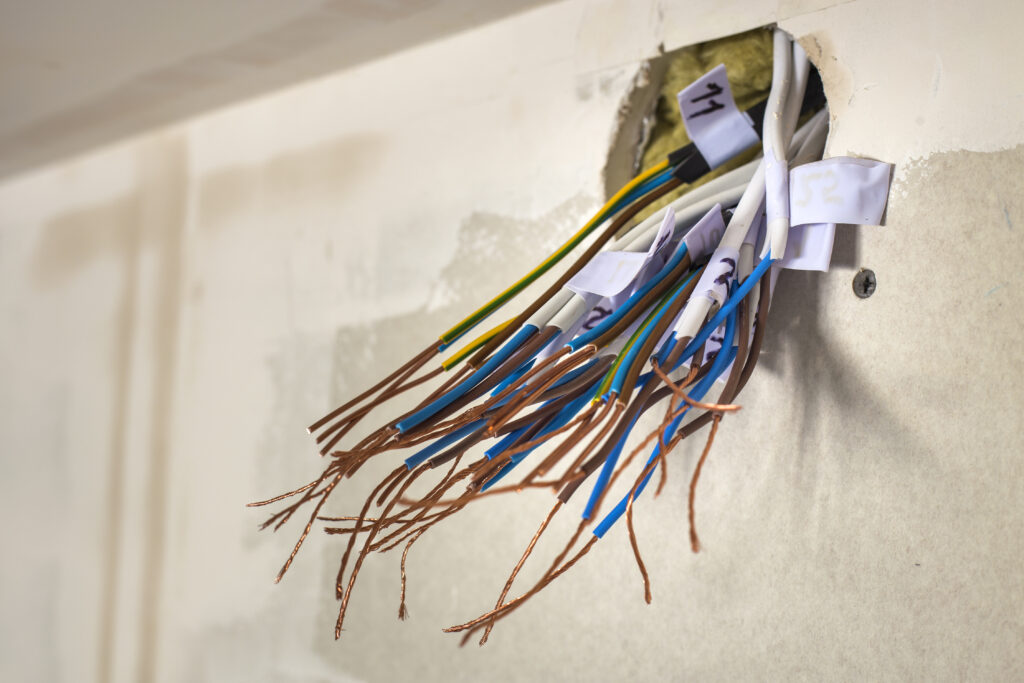
A professional electrical inspection digs far deeper than a quick visual glance. The electrician examines your panel, tests your outlets, checks your grounding, and looks for the old wiring types we covered above. Specialized tools can detect heat, voltage problems, and faults that stay invisible to the naked eye. The inspection covers accessible wiring in attics, crawl spaces, and walls wherever it can be safely reached. This thorough approach uncovers hidden risks long before they turn into emergencies. You end up with a complete and honest picture of your home’s electrical health.
After the inspection, you receive a clear report on what was found and what it means. The electrician explains which issues need urgent attention and which ones can be planned over time. You learn if your panel has enough capacity, if your grounding is sound, and if any outdated wiring remains active. This information puts you in control of your home’s safety and your budget. Knowing the true condition of your wiring removes guesswork and helps you plan with confidence. Honest answers let you prioritize the repairs that matter most.
An inspection also helps you avoid spending money where it is not needed. Rather than rewiring an entire house out of fear, you target the specific circuits and connections that pose real risks. This focused approach saves money while still keeping your family safe. A trusted electrician will never push unnecessary work or invent problems to inflate a bill. Instead, you get straight recommendations built around what your home actually requires. That transparency is the foundation of a safe and lasting electrical system.
Why Choose Schultz Family Electric For Outdated And Unsafe Home Wiring
Schultz Family Electric brings small town values and real local service to every home in Brazoria County. We are based right here in Angleton, which means faster response times and genuine familiarity with the electrical needs of our area. When you call us, you reach a real person ready to help, not an automated system or a runaround. We treat every customer as an electrician for life, not for the day, building lasting relationships instead of chasing one time sales. That commitment shows in our honest recommendations, free of pressure and pointless upsells.
Our work is backed by full licensing under number 748217 and a lifetime craftsmanship warranty on every job. Trained professionals handle your wiring, and we stand firmly behind every install we complete. We also waive our diagnostic fee when you choose us to handle the repair, so you understand your options before any work begins. You get full transparency from the first call to the final inspection, with no surprises along the way. That blend of skill, honesty, and accountability is what sets our team apart.
Outdated and unsafe home wiring is too serious to leave to chance, and our family is ready to make yours safe. From a simple inspection to a full rewire, we deliver quality work that protects your home for the long run. We serve Angleton and the surrounding communities every day, and we would be glad to put our experience to work for you. Reach out today to schedule your service or to ask any questions about your home’s wiring by calling (979) 264-9024. Let Schultz Family Electric give you the safety and peace of mind your family deserves.