
Why Do My Circuit Breakers Keep Tripping?
Few household annoyances are as frustrating as a circuit breaker that keeps tripping. You’re in the middle of cooking dinner, running the laundry, or settling in to watch a movie when suddenly the power to part of your home cuts out. You head to the electrical panel, flip the breaker back on, and carry on, only to have it happen again. If this sounds familiar, you’re not alone, and you’re right to wonder what’s going on.
The good news is that a tripping breaker isn’t a malfunction; it’s actually a sign that an important safety system is doing its job. The challenge is figuring out why it keeps happening, because a breaker that trips repeatedly is trying to tell you something. For homeowners in Angleton, TX, understanding the common causes can help you know when it’s a simple fix and when it’s time to call a professional. At Schultz Family Electric, we help families get to the bottom of nuisance breakers every day, and in this article we’ll walk you through the most common reasons your circuit breakers keep tripping.
What a Tripping Breaker Is Actually Telling You
Before diving into specific causes, it helps to understand what your circuit breaker does. Your electrical panel divides your home’s power into separate circuits, each protected by a breaker. The breaker’s job is to monitor the electrical current flowing through that circuit and to shut it off automatically if something goes wrong, such as too much current flowing at once. By cutting the power, the breaker prevents wires from overheating, which protects your home from electrical fires and other hazards.
In other words, a tripping breaker is a safety feature working exactly as intended. When a breaker trips, it’s interrupting a potential problem before it can become dangerous. That’s why you should never try to defeat a breaker that keeps tripping, by swapping in a higher-rated one, for example, without understanding the cause. The tripping is a symptom, and the right approach is to identify and address what’s triggering it rather than silence the warning.
An Overloaded Circuit
By far the most common reason breakers trip is a simple overloaded circuit. Each circuit in your home is designed to carry a certain amount of electrical current, and when you plug in more than it can handle, the breaker trips to prevent overheating. This often happens when several power-hungry devices run on the same circuit at the same time, such as a space heater, a microwave, and a toaster all drawing power together.

Overloads are especially common in older homes wired for a much lighter electrical load than modern households demand. If your breaker trips when you run multiple appliances at once, and resetting it works fine until you repeat the same combination, an overload is the likely culprit. Sometimes the fix is as simple as spreading your devices across different circuits, but frequent overloads can also signal that your home needs additional circuits or an electrical upgrade to keep up with how you actually use power.
A Short Circuit
A short circuit is a more serious cause of a tripping breaker. It occurs when a hot wire comes into direct contact with a neutral wire or another hot wire, allowing a sudden surge of current to flow along an unintended path. This produces a large spike in current that the breaker detects and shuts off immediately to prevent damage and fire.
Short circuits can be caused by damaged wiring, loose connections, or faulty appliances and cords. A telltale sign of a short circuit is a breaker that trips instantly and forcefully, sometimes accompanied by a burning smell, scorch marks, or a popping sound. Because short circuits involve a genuine safety risk, they should always be diagnosed and repaired by a qualified electrician rather than ignored or repeatedly reset.
A Ground Fault
A ground fault is similar to a short circuit but happens when a hot wire makes contact with a ground wire, a grounded portion of the system, or anything that provides an unintended path to the ground, such as water or a metal box. Like a short circuit, this causes a surge of current that trips the breaker. Ground faults are particularly common in areas exposed to moisture, which is why kitchens, bathrooms, garages, and outdoor outlets are often involved.
This is also where ground fault circuit interrupter, or GFCI, protection comes in. GFCI outlets and breakers are designed to detect ground faults very quickly and shut off power to protect against electric shock, which is why they’re required in wet locations. If a GFCI keeps tripping, it may be doing its job in response to moisture or a fault, but persistent tripping can also indicate a wiring problem or a failing device that needs professional attention.
An Arc Fault
Many modern homes are equipped with arc fault circuit interrupter, or AFCI, breakers, which detect dangerous electrical arcs. An arc occurs when electricity jumps across a gap in the circuit, such as at a loose connection or in damaged wiring, and arcing is a significant fire hazard. AFCI breakers sense these conditions and shut off the circuit to prevent a fire from starting.
If you have AFCI protection and the breaker keeps tripping, it may be detecting arcing in your wiring or in a connected device. Certain appliances can occasionally cause nuisance AFCI tripping, but persistent tripping should never be dismissed, because it could signal a real and dangerous wiring fault that an electrician should evaluate.
A Faulty or Failing Breaker
Breakers themselves can wear out over time. Like any mechanical component, a circuit breaker has a finite lifespan, and after years of use, or after tripping many times, it can weaken and begin to trip even when there’s no overload or fault present. A breaker that trips for no apparent reason, feels loose, or won’t reset properly may simply be failing and need replacement.
That said, it’s important not to jump to this conclusion too quickly. Assuming the breaker is bad when the real issue is an overload, short, or wiring problem can mask a genuine hazard. A professional can test the breaker and the circuit to determine whether the breaker itself is the problem or whether it’s faithfully responding to a deeper issue.
Old or Damaged Wiring
Sometimes the root cause lies within the walls. Wiring can deteriorate over the decades, and damaged, frayed, corroded, or improperly installed wiring can cause repeated tripping as well as short circuits, ground faults, and arcing. Homes in older neighborhoods, or those that have had amateur electrical work done over the years, are especially prone to wiring-related problems.
Wiring issues are among the most serious causes of tripping breakers because they carry real fire risk and are hidden from view. If your breakers trip frequently and the usual explanations don’t seem to apply, or if you notice warm outlets, flickering lights, or burning odors alongside the tripping, your wiring may need to be inspected by a licensed electrician with the tools and training to evaluate your home’s electrical system safely.
A Specific Appliance or Device
Occasionally, the problem isn’t your home’s wiring at all, but a single faulty appliance or device. A malfunctioning appliance can draw too much current or develop an internal short, causing the breaker to trip whenever it’s used. If you notice that your breaker only trips when a particular device is plugged in or turned on, that device is very likely the source of the trouble.
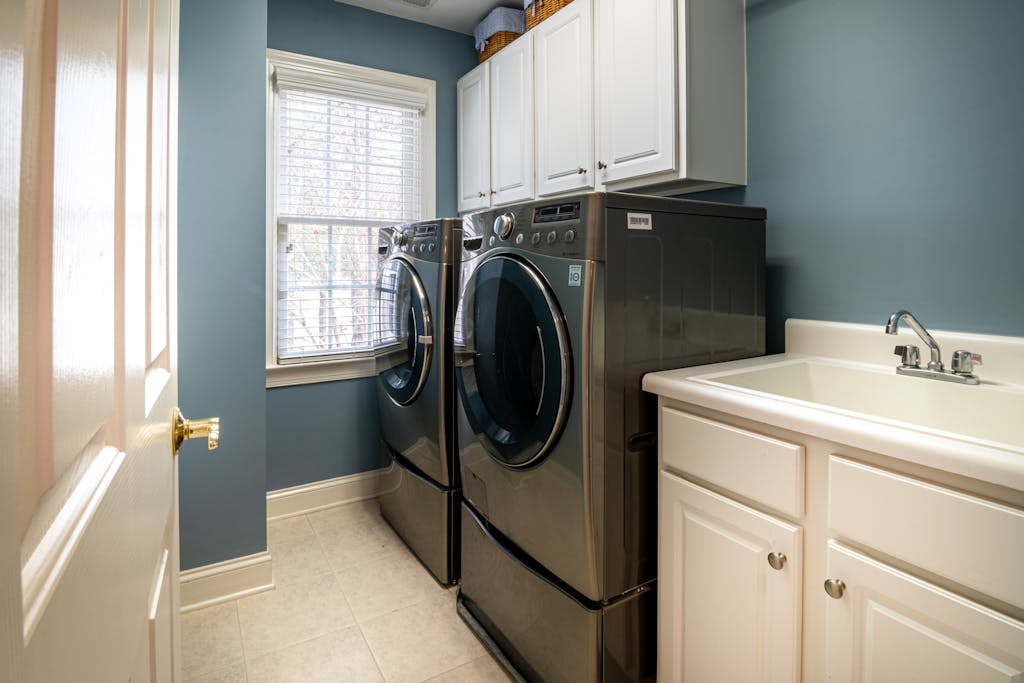

You can often confirm this by unplugging the suspect appliance and seeing whether the tripping stops. If it does, the appliance may need repair or replacement, and you should avoid using it on that circuit in the meantime. Identifying a problem device early not only solves the tripping but can also prevent damage to your electrical system or a potential fire hazard.
When to Call a Professional Electrician
While an occasional trip from a clear overload is usually nothing to worry about, repeated or unexplained tripping is a signal that something needs attention. You should call a licensed electrician if your breaker trips frequently, trips immediately when reset, won’t reset at all, or is accompanied by warning signs like burning smells, scorch marks, buzzing sounds, warm outlets, or flickering lights. These can indicate short circuits, ground faults, arcing, or wiring problems that pose real safety risks.
Electrical work involves genuine danger, and attempting to diagnose or repair these issues without proper training can lead to injury or fire. A licensed electrician has the expertise and equipment to safely pinpoint the exact cause, whether it’s an overloaded circuit, a failing breaker, a faulty appliance, or a wiring issue, and to fix it correctly. Getting an accurate diagnosis protects both your home and your family.
A circuit breaker that keeps tripping is more than an inconvenience; it’s your home’s way of warning you that something needs to be addressed. From overloaded circuits and faulty appliances to short circuits, ground faults, arcing, and aging wiring, the causes range from simple to serious. Recognizing the difference, and knowing when to bring in a professional, is the key to keeping your home safe and your power reliable.
At Schultz Family Electric, we help homeowners throughout Angleton, TX and the surrounding area diagnose and resolve tripping breakers quickly, safely, and correctly. Whether you’re dealing with a nuisance breaker, planning an electrical upgrade, or simply want peace of mind that your system is safe, our experienced, licensed team is ready to help. Contact Schultz Family Electric today to schedule service and put an end to your tripping breaker troubles for good.