How To Power Halloween Decorations Without Overloading Your Circuits
Halloween brings inflatables, string lights, animatronics, and fog machines to porches across Brazoria County every October. Each of those props draws power from the same circuits that already run your everyday household electronics. Plug too many decorations into one outlet, and the breaker will trip or the wiring will start to heat up. A tripped breaker in the middle of trick or treat night ruins the fun and can point to a deeper wiring problem hiding in the walls. The good news is that a little planning keeps your entire display glowing all season long. Understanding how much power your decorations pull is the first real step toward a safe setup. This guide walks you through the math, the warning signs, and the smart fixes that prevent an overload before it starts. By the end, you will know exactly how to spread the load and protect your home.
What Causes Circuits To Overload When You Power Halloween Decorations
A standard household circuit in most Angleton homes carries either 15 or 20 amps of current. That rating sets a firm ceiling on how much you can safely plug into the outlets that share that circuit. Every decoration lists a wattage on its label, and wattage translates directly into the amps your circuit must supply. When the combined draw creeps past the breaker rating, the breaker cuts power to protect the wiring from damage. Older homes often share a single circuit between several rooms, which shrinks your available power fast. Extension cords and cheap power strips make the problem worse by hiding how many items feed one outlet. Knowing the real load on each circuit lets you place decorations where the power actually exists. The sections below break down how these numbers add up and what an overload looks like on your porch.
How Halloween Decorations Add Up To Overload Your Circuits
Start by looking at the label or tag on each decoration, since manufacturers print the wattage there for a reason. A large inflatable ghost with a built in fan and lights can pull 150 watts or more on its own. String lights vary widely, with older incandescent strands drawing far more power than modern LED sets. A single incandescent strand of 100 bulbs can use around 40 watts, and those numbers stack quickly across a yard. Fog machines are the hidden power hogs, with many models rated at 400 to 1,000 watts while they heat. Animatronic props with motors and sound also demand a steady flow of current the entire night. Add these figures together, and a festive porch can easily approach the limit of one 15 amp circuit. Writing down each wattage before you plug anything in shows you the total before the breaker does.
To turn watts into amps, divide the total wattage by the voltage, which sits near 120 in most homes. A 15 amp circuit safely handles about 1,440 watts under the common 80 percent continuous load rule. A 20 amp circuit gives you roughly 1,920 watts of safe continuous capacity for your display. Those ceilings drop once you remember the circuit may already feed lamps, chargers, and a television. Holiday decorations run for hours at a time, which is exactly the continuous load that rule protects against. Staying under 80 percent leaves headroom so the wiring never runs hot during a long night of use. Push past that mark, and you invite tripped breakers, warm cords, and long term wear on the whole system. A quick tally on paper keeps your porch inside the safe zone from the very first plug forward.
Extension cords add another layer of risk that has nothing to do with the breaker rating itself. A thin cord rated for indoor lamps cannot carry the current a full Halloween display demands. Overloaded cords heat up along their length, and that heat is a real fire hazard on a dry autumn porch. Daisy chaining one power strip into another spreads the same limited circuit across even more devices. Outdoor decorations need cords rated for exterior use with a heavier gauge and a weatherproof jacket. Match the cord gauge to the load, using thicker cords for longer runs and higher wattage props. A cord that feels warm to the touch is telling you the load is too high for that path. Choosing the right cord protects both your decorations and the wiring behind your walls.
Signs Your Circuits Are Overloaded By Halloween Decorations
The clearest sign of an overload is a breaker that trips the moment your display powers on. A breaker doing its job is a good thing, yet repeated trips mean the circuit simply cannot carry the load. Resetting the breaker over and over without reducing the load only stresses the panel further each time. Flickering or dimming lights when a motor kicks on point to a circuit stretched near its limit. Outlets or wall plates that feel warm are a serious warning that the wiring is working too hard. A faint buzzing sound from an outlet or switch signals loose connections struggling under heavy current. The smell of hot plastic near any outlet means you should cut power to that circuit right away. Each of these clues tells you to move decorations to another circuit before real damage sets in. If you notice any of these signs, do not wait; click here to book our emergency electrician service before the problem grows.
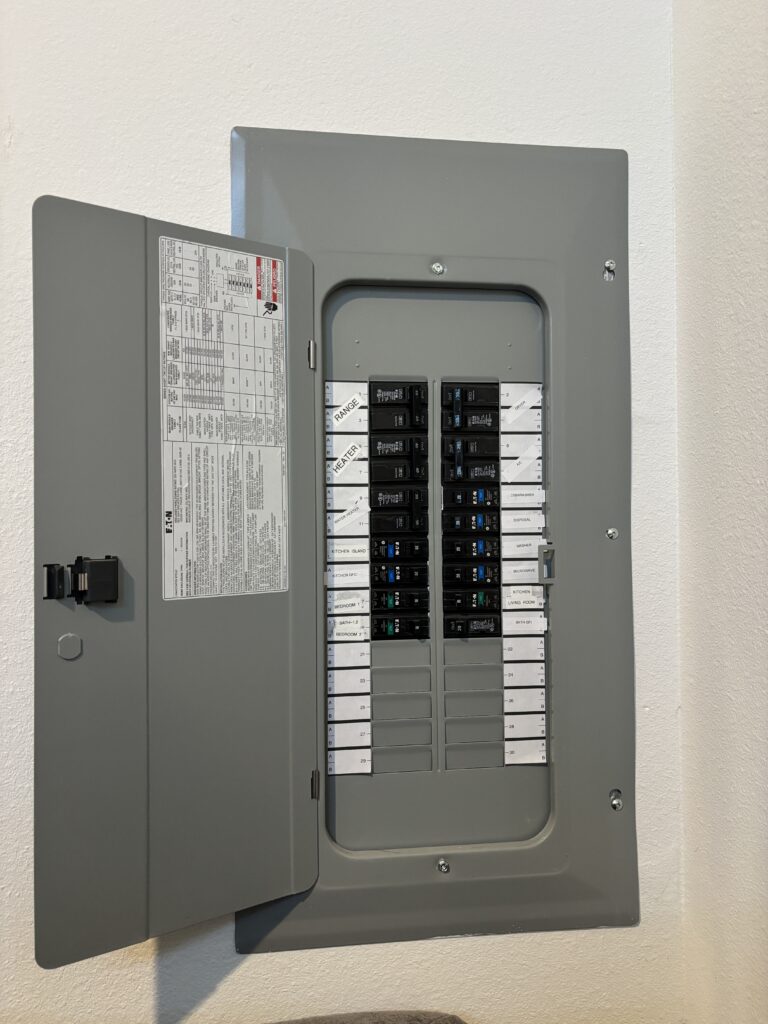
Pay attention to how your indoor devices behave once the outdoor display comes to life. A television that blinks or a computer that restarts when the fog machine cycles shows a shared circuit under strain. These voltage dips do more than annoy you, since sensitive electronics dislike an unstable supply. Repeated dips shorten the life of chargers, appliances, and the very decorations you worked to set up. If one room goes dark while another stays lit, the tripped circuit reveals how your home is wired. Mapping which outlets fall on which breaker takes an afternoon and pays off every holiday season. Label the panel clearly so next year you already know exactly where the spare capacity lives. This simple record turns guesswork into a plan you can trust year after year.
Some overload signs hide inside the panel where you cannot see them without opening the cover. A breaker that feels hot, looks discolored, or refuses to reset points to a fault that needs attention. Scorch marks or a burnt smell at the panel are reasons to call an electrician the same day. Aluminum wiring in older homes reacts poorly to heavy seasonal loads and loose connections. A panel that hums or clicks under load is not a sound you should ignore during the holidays. These deeper issues rarely fix themselves and tend to worsen each time you add more decorations. A professional can test each circuit and confirm the panel can handle your festive plans safely. Catching a weak breaker in October beats discovering it during a cold snap later in the year.
Why Outdoor Halloween Decorations Strain Your Circuits Most
Outdoor displays tend to be the largest, brightest, and most power hungry part of any Halloween setup. Inflatables, projectors, and animated figures all cluster on the exterior outlets near your porch. Many homes have only one or two outdoor outlets, so everything funnels onto a single circuit. That concentration is the exact recipe for an overload once the decorations multiply each year. Cold and damp autumn air also affects how cords and connections perform outside. Moisture at a plug can cause a short, which trips the breaker or creates a shock risk for anyone nearby. Grounding matters even more outdoors, where wet grass and metal props increase the danger. Planning outdoor power carefully keeps the biggest part of your display both bright and safe.
Weather is the factor that sets outdoor decorating apart from anything you plug in indoors. Rain, dew, and sprinkler runoff can all reach an outdoor outlet that lacks proper protection. Water and electricity together create a shock hazard that no costume can protect against. This is why outdoor outlets should carry ground fault protection that cuts power in an instant. Covers rated for in use conditions keep rain out while a cord stays plugged in overnight. Elevate cords off the ground and away from puddles so connections stay dry through the season. Never run a cord through standing water, even for a decoration you plan to move soon. Respecting the weather keeps your outdoor circuits from becoming a hazard after the first storm.
Outdoor props also run longer hours than most indoor decorations during the Halloween stretch. A porch display often glows from dusk until well past midnight for several weeks straight. That extended runtime is a continuous load, and continuous loads stress circuits far more than brief use. Motors in inflatables run nonstop to keep the figure standing, drawing steady current all night long. Projectors and animated props cycle constantly, never giving the circuit a chance to rest. This around the clock demand is why a circuit that felt fine for an hour fails after a week. Sizing your outdoor power for the full season, not a single evening, prevents that slow failure. A dedicated setup for exterior decorations removes the strain from the circuits you rely on every day.
How To Power Halloween Decorations Without Overloading Your Circuits
Preventing an overload comes down to spreading the load and giving your display the capacity it truly needs. The first move is to divide decorations across several circuits instead of one crowded outlet. The second is to protect outdoor plugs with ground fault outlets that guard against moisture. The third, for larger displays, is to add a dedicated circuit built to carry the seasonal demand on its own. Each step lowers the risk of tripped breakers and warm wiring during the busiest nights of the season. Together they turn a stressed electrical system into one that handles Halloween with ease. The sections below explain how to put each of these fixes into practice at your home.
Spread Halloween Decorations Across Multiple Circuits To Avoid Overloading
Start by identifying which outlets around your home fall on different breakers in the panel. Plugging two large inflatables into outlets on separate circuits splits the load right away. This simple habit doubles the power available to your display without any new wiring at all. Walk the perimeter of your home and note the outlets on the porch, garage, and patio. Test which breaker controls each one by switching breakers off and checking which outlet goes dark. Write the results on a small map so you can plan placement before you unbox a single prop. Aim to keep each circuit well below its rated limit rather than filling it right to the edge. Balanced placement is the cheapest and fastest way to prevent a Halloween overload.
Extension cords should carry power out to the decorations, not gather many props onto one outlet. Running a single heavy duty cord from a distant circuit beats overloading the nearest plug. Choose outdoor rated cords with a gauge that matches the wattage and the length of the run. Shorter cords lose less power and stay cooler, so avoid coiling extra length near the props. Keep power strips to a minimum outdoors, since most indoor strips are not built for the weather. If you find yourself stacking strips and splitters, that is a clear sign the circuit is already full. Reach for a different circuit instead of forcing more devices onto an outlet near its cap. Thoughtful cord routing keeps the load balanced and the wiring cool throughout the season.
Timers help you manage load by staggering when different groups of decorations turn on. Set the fog machine and heavy props on one schedule and the lights on another to avoid a single surge. Spreading the startup draw over time keeps the combined load from spiking past the breaker rating. Motors and heating elements pull the most current in the first seconds after they power on. Staggering those startups smooths the demand and protects the circuit from that initial jump. Timers also save energy by shutting the display down automatically in the early morning hours. Less runtime means less continuous load, which extends the life of both your cords and outlets. A few inexpensive timers give you real control over both safety and your electric bill.
Use GFCI Outlets To Power Outdoor Halloween Decorations Safely
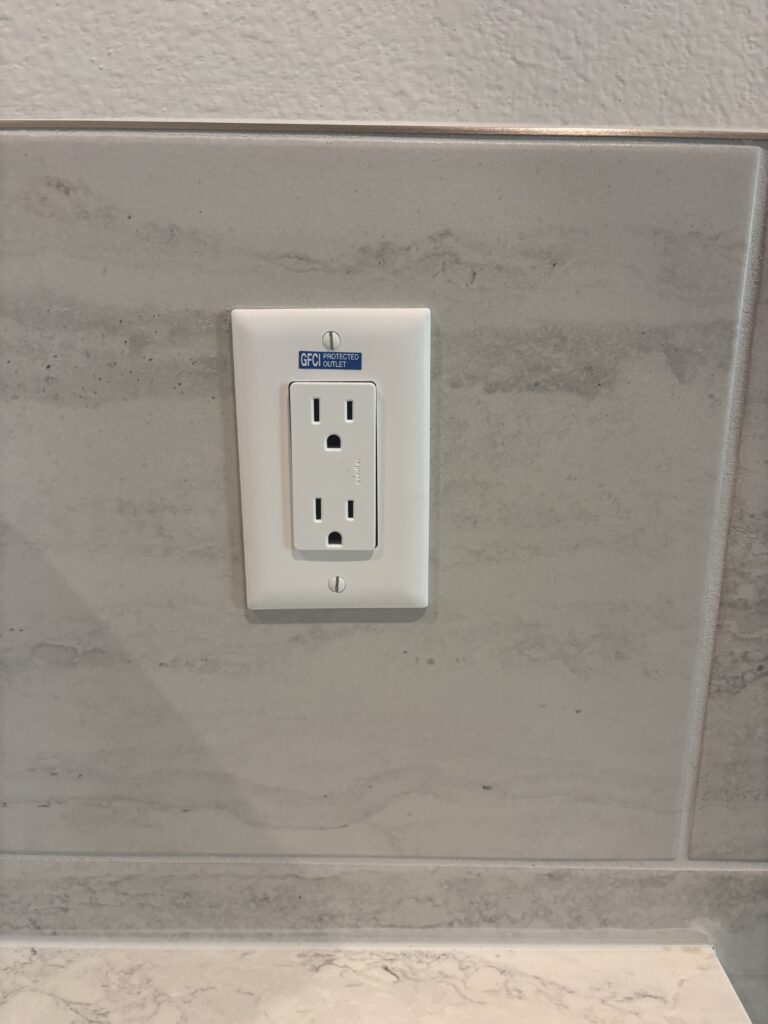
Ground fault circuit interrupter outlets are the standard for any outlet exposed to moisture. These outlets sense a fault in the current and cut power in a small fraction of a second. That instant shutoff protects trick or treaters and family from a dangerous shock at the porch. Building codes require this protection on exterior outlets for exactly this reason. If your outdoor outlets lack the test and reset buttons, they likely are not the protected type. Older homes across Brazoria County often still run standard outlets outside that predate the rule. Upgrading those outlets before you decorate is a small job with a large safety payoff. Need protected outdoor outlets before you decorate? Click here for our GFCI outlet installation service.
A protected outlet only helps when it stays dry enough to keep working through the night. Pair each outdoor outlet with an in use cover that shields the plug while a cord remains connected. These bubble style covers keep rain and dew off the connection during long stretches outdoors. Check that the reset button holds after you plug in your full display for the first time. A protected outlet that trips repeatedly is warning you about moisture or an overloaded circuit. Do not tape the reset button down or bypass the protection just to keep a decoration running. That bypass removes the very safeguard that stands between water and a serious injury. Treat every trip as useful information about the load and the weather at that spot.
Grounding works hand in hand with fault protection to keep your outdoor display safe. Metal props, stakes, and frames should never sit in a path where a fault could energize them. A properly grounded system gives stray current a safe route back instead of running through a person. Homes with older two prong outlets lack this ground and need an upgrade before heavy outdoor use. An electrician can confirm your outdoor circuits are both grounded and protected before the season starts. This check matters most where sprinklers, rain, and foot traffic all meet your decorations. Combining grounding, fault protection, and covers builds several layers of safety into one setup. Those layers work together so a single failure never turns into an injury.
Add A Dedicated Circuit To Power Halloween Decorations Without Overloading
A dedicated circuit is a line that runs from your panel to a single outlet with nothing else on it. That full capacity belongs to your decorations alone, with no household devices competing for power. For large or growing displays, this is the surest way to end tripped breakers for good. It also serves double duty, powering holiday lights in December and everyday tools the rest of the year. A dedicated exterior outlet near the porch removes the annual scramble to find open circuits. The install involves a new breaker in the panel and a fresh run of properly sized wire. This is skilled work that ties into your main panel and should be handled by a licensed electrician. Ready to end tripped breakers for good? Click here for our dedicated circuit installation service.
Sizing the new circuit correctly is the part that makes a dedicated line worth the investment. An electrician calculates the total load your display draws and selects a breaker and wire to match. A 20 amp dedicated circuit handles a substantial outdoor display with room left over to grow. Proper wire gauge keeps the line cool even when the full load runs for hours each night. The outlet itself should carry ground fault protection and an in use cover for outdoor duty. Placing the outlet where your display centers reduces long cord runs and the losses they bring. A well placed dedicated outlet becomes the anchor for every future holiday season. That planning turns a one time upgrade into years of easier, safer decorating.
Before adding a circuit, an electrician checks that your main panel has room for another breaker. Older panels sometimes sit near capacity, which limits how much new load they can safely accept. A panel that is full or outdated may need a service upgrade before a new circuit can go in. This is also the moment to catch aging breakers or loose connections that heavy loads expose. Addressing the panel first prevents a new circuit from simply shifting the strain somewhere else. A short inspection of the panel gives a clear picture of what your home can safely support. That knowledge lets you plan a display that grows without ever tripping a breaker. Investing in the panel and circuit together sets your home up for many seasons ahead.
Why You Need A Professional Electrician To Power Halloween Decorations Safely
Do it yourself decorating handles most of a Halloween display, yet the electrical backbone deserves expert eyes. An electrician confirms your circuits, panel, and outdoor outlets can carry the seasonal load safely. That professional check turns a stressful guessing game into a plan you can trust each October. Small upgrades made now prevent tripped breakers, damaged decorations, and fire risk later in the season. Schultz Family Electric serves Angleton and all of Brazoria County with fast, honest service. The sections below show how a quick visit protects both your display and your home.
Schedule An Electrical Inspection Before You Power Halloween Decorations
An electrical inspection maps your circuits and pinpoints exactly where the spare capacity lives. Our electrician tests each breaker, checks connections, and flags any part working too hard. This visit catches warm outlets, weak breakers, and outdated wiring before the season loads them down. You leave with a clear plan for where each decoration should plug in for balanced power. Booking early in the fall means any needed fix happens well before the first big night. A short visit now saves the headache of a dark porch on the big night.
An inspection also uncovers hidden hazards that have nothing to do with the holidays at all. Loose connections, missing ground fault protection, and overloaded circuits all surface during the check. Fixing these issues protects your family long after the decorations come down for the year. The peace of mind alone makes the visit worth scheduling every single fall. Our electricians explain each finding in plain language with no pressure to buy extras. You decide what to address, and we handle the work with a lifetime craftsmanship warranty.
Timing is everything, since the weeks before Halloween fill quickly with service calls. Booking your inspection in early October leaves plenty of room for any circuit or panel work. A last minute call on the night of a tripped breaker is far more stressful and costly. Planning ahead keeps your display glowing without a scramble for an available electrician. Our team answers the phone with a real person ready to find a time that works for you. Want to know your circuits are ready for the season? Click here for our electrical inspection service.
Protect Halloween Decorations With Whole House Surge Protection
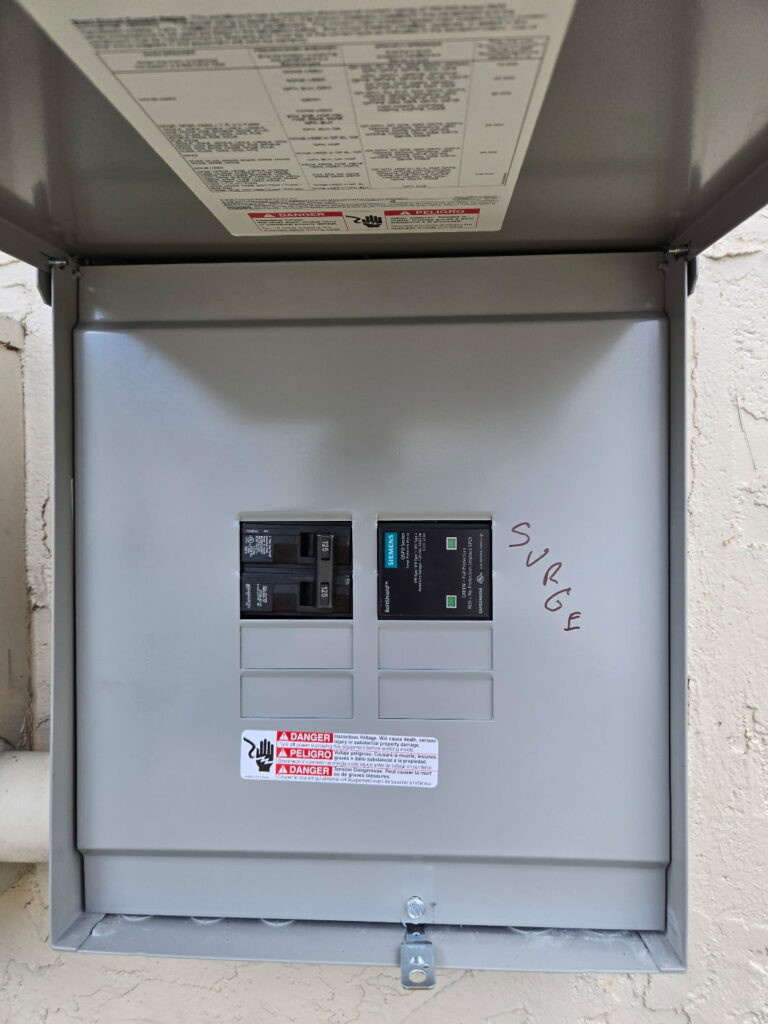
Surges from the grid or from motors starting can damage the electronics inside modern decorations. Projectors, animatronics, and smart lights all contain circuit boards that a surge can ruin in an instant. Whole house surge protection installs at the panel and guards every circuit in the home at once. This shield covers your decorations along with your appliances, television, and computers. One well placed device protects thousands of dollars of electronics throughout the house. That single layer of defense stays on guard through Halloween and every holiday that follows.
Autumn storms along the Gulf Coast bring lightning that can send a spike straight through your wiring. A nearby strike does not need a direct hit to push a damaging surge into your home. Surge protection at the panel intercepts that spike before it ever reaches your outlets. Point of use protectors help at individual devices, yet they miss the larger surges. A layered approach with panel protection first gives your decorations the best possible defense. That defense keeps your display safe through the stormiest nights of the season.
Surge protection also defends the motors and controls inside inflatables and animated props. These props cost more each year, so protecting them pays for itself over a few seasons. A single surge event can wipe out an entire display in less than one second. Guarding against that loss keeps your holiday budget aimed at new decorations, not replacements. Our electricians size the protection to your panel and explain in plain terms how it works. The install is quick and adds a lasting layer of safety to your whole home.
Why Choose Schultz Family Electric To Power Your Halloween Decorations
Schultz Family Electric treats every customer as an electrician for life, not a one time sale. You get honest recommendations and quality work with no upsells and no pressure at any point. We waive our diagnostic fee when you choose us to handle the repair. You know your options before any work begins, with full transparency at every step. That approach has made us a trusted name for families across Brazoria County.
We are based in Angleton and serve our neighbors every single day of the week. That local focus means faster response times and real familiarity with the wiring in area homes. When you call, you reach a real person, never an automated menu. Our team is fully licensed under number 748217 and backs every job with a lifetime craftsmanship warranty. Trained professionals handle your work and stand behind every install long after the visit ends. Small town values guide how we treat each home we enter.
This Halloween, let our team make sure your circuits can carry every light and prop with ease. From a quick inspection to a new dedicated circuit, we build displays that stay safe all season long. We serve Angleton, Pearland, Lake Jackson, Alvin, and the surrounding Brazoria County communities. Reach out early so your setup is ready well before the trick or treaters arrive. Call Schultz Family Electric today at (979) 264-9024 to schedule your service.