
Understanding Why Your Lights Flicker When The AC Turns On
Flickering lights are one of the most common calls we get during the hot months across Brazoria County. You flip on the air conditioner, and for a brief second the lamps dim or the recessed cans blink. Many homeowners worry this means something is broken, but the answer usually ties back to how much power your cooling system pulls the moment it starts. An air conditioner compressor needs a large jolt of electricity to begin spinning, and that sudden demand can pull voltage away from your lights for a split second. Sometimes the flicker is harmless and fully expected; other times it points to a wiring problem that deserves a closer look. Knowing the difference protects both your home and your budget. This guide breaks down the real reasons your lights flicker when the AC turns on, from normal startup behavior to loose connections that signal trouble. It also explains the practical fixes a licensed electrician can put in place so your lighting stays steady through every cooling cycle this summer.
What Causes Your Lights to Flicker When the AC Turns On
The flicker you see is almost always a voltage drop tied to the startup of your air conditioner. When the compressor kicks on, it pulls a surge of current that is far higher than what it uses while running steadily. That surge stresses the circuits in your home for a fraction of a second, and your lights respond by dimming. In a healthy electrical system, the dip is small and recovers instantly. When the dip is large, repeated, or spreads across the whole house, it often means the system is working harder than it should. Loose wiring, an overloaded panel, or shared circuits can all turn a tiny flicker into a recurring nuisance. Understanding the root cause is the first step toward a fix that lasts. The three sections below explain the most frequent reasons we find when we diagnose this issue in local homes.
The AC Startup Surge That Makes Your Lights Flicker
The single biggest reason your lights flicker when the AC turns on is the inrush current of the compressor motor. A central air conditioner pulls what electricians call locked rotor amperage, which is the heavy load the motor demands during the instant it begins to spin. This startup surge can reach three to eight times the amount of current the unit uses while running normally. A system that draws twenty amps in steady operation might briefly demand sixty to one hundred amps at the moment of startup. That spike lasts only a fraction of a second, but it is enough to lower the voltage feeding the rest of your home. Your lights see that momentary dip and dim in response. In most cases this is normal physics at work, and a quick flicker on a hot afternoon is nothing to fear.
The trouble starts when that surge is larger or longer than it should be. A worn compressor, a failing start capacitor, or an aging motor can stretch the startup period and deepen the voltage drop. When the motor struggles to get moving, it pulls heavy current for longer, and your lights flicker harder and longer as a result. A failing capacitor is one of the most common culprits we see, because it weakens the boost the motor relies on to start quickly. Over time this extra strain shortens the life of the compressor and raises your energy bills. A flicker that grows worse over a single season is worth investigating. The fix often lives inside the air conditioning equipment as well as in the wiring that feeds it.
There are also two devices that reduce the size of the startup surge at its source. A hard start kit adds an extra capacitor that gives the compressor a stronger initial push, helping it spin up faster and cutting the length of the voltage dip. A soft start module goes further by ramping the compressor up gradually instead of slamming it on all at once, which can lower inrush current dramatically. These solutions live on the HVAC side, but the wiring and circuit that serve the unit play an equally important role. If you suspect your air conditioner is the source of the flicker, the wiring feeding it should be checked too. Need your cooling system wired correctly and safely? Click here for our air conditioning wiring service. Proper wiring keeps that surge from punishing the rest of your home.

Loose Connections That Make Your Lights Flicker When the AC Turns On
A loose connection is the reason your lights flicker when the AC turns on that worries electricians the most. Every wire in your home meets another wire or a terminal at a connection point, and those points must stay tight to carry current safely. When a connection loosens, electricity has to jump a small gap, which creates resistance, heat, and an unstable flow of power. The added demand from your air conditioner can expose that weakness in an instant, and your lights flicker as the connection struggles to keep up. Loose connections often hide inside the electrical panel, at outlets, or where wires join inside junction boxes. They rarely fix themselves, and they tend to get worse as heat builds at the trouble spot. A flicker tied to a loose connection is a warning sign, not background noise.
The most dangerous version of this problem is a loose neutral connection. The neutral wire carries current back to the panel and keeps the voltage balanced across the circuits in your home. When that neutral loosens, voltage can swing unevenly, sending too little power to some circuits and too much to others. Lights may flicker, brighten unexpectedly, or dim across large parts of the house when the AC starts. This condition can damage sensitive electronics like televisions, computers, and the control board inside the air conditioner itself. Worse, the heat from a loose neutral can scorch wiring and lead to a fire. This is a problem that demands prompt, professional attention.
Spotting a loose connection takes more than a quick glance, which is why this work belongs to a trained professional. An electrician will open the panel, inspect the terminals, and check for signs of heat such as discoloration or a burnt smell. We use the right tools to measure voltage and confirm that connections are torqued to the manufacturer specification. Tightening a connection sounds simple, but doing it safely around live conductors requires real experience and proper protective gear. Attempting this work without training puts you at risk of shock or arc flash. If your lights flicker hard when the AC starts, do not ignore it. A panel inspection can find the loose connection before it becomes a hazard. Click here for our electrical panel repair service to have your connections checked by a licensed pro.
Why an Undersized Panel Makes Your Lights Flicker When the AC Turns On
An undersized electrical panel is another frequent reason your lights flicker when the AC turns on. Your panel has a fixed capacity, often rated at one hundred amps in older homes and two hundred amps in newer ones. Every appliance and circuit draws from that shared pool of power. When a large load like central air conditioning starts up alongside other running appliances, an undersized panel can be pushed near its limit. The voltage available to your lighting circuits dips, and the lights flicker as the panel scrambles to supply enough current. Homes that have added rooms, hot tubs, electric vehicle chargers, or extra HVAC equipment over the years often outgrow their original panel. The flicker is the system telling you it is stretched thin.
Older panels carry an extra layer of concern because of how they age. Bus bars corrode, breaker contacts wear, and the metal connections inside lose their grip over decades of heating and cooling cycles. Certain older panel brands are known for failing to trip properly and are no longer considered safe by today’s standards. When these aging parts meet the heavy startup demand of an air conditioner, flickering becomes routine and the risk of overheating climbs. A panel that buzzes, feels warm to the touch, or trips breakers during AC startup is sending clear signals. These are not problems to wait out. They tend to compound as summer temperatures keep your cooling system cycling on and off all day.
The solution depends on what the inspection reveals about your home’s total electrical load. In some cases the existing panel is sound and simply needs a dedicated circuit added for the air conditioner. In other cases the panel itself is too small or too old to serve the home safely, and an upgrade to a higher capacity panel is the right move. A two hundred amp service gives most modern homes the headroom they need for air conditioning, large appliances, and future additions. The right choice protects your lighting, your equipment, and your family. We size every solution to the actual demand of your home rather than guessing. A flickering panel under load is a strong reason to schedule a professional evaluation before the problem grows.
How to Stop Your Lights From Flickering When the AC Turns On
The good news is that flickering lights tied to your air conditioner are fixable with the right approach. The correct repair depends entirely on the underlying cause, which is why a proper diagnosis comes first. For some homes the answer is a dedicated circuit that gives the AC its own clean path to the panel. For others it is tightening or repairing connections that have worked loose over time. And for homes that have simply outgrown their service, a panel or service upgrade restores the capacity needed to run everything smoothly. Each fix targets a different weak point in the system. The sections below walk through the three most effective and lasting solutions we install for local homeowners. With the right repair in place, your lights stay steady no matter how often the AC cycles.
A Dedicated Circuit Stops Your Lights From Flickering When the AC Turns On
A dedicated circuit is one of the most reliable ways to stop your lights from flickering when the AC turns on. A dedicated circuit serves a single appliance with its own wire run and its own breaker, so it does not share power with your lights or outlets. The National Electrical Code already requires fixed equipment like a central air conditioner to be on its own circuit for exactly this reason. When the compressor surges on startup, that demand stays isolated on the dedicated line instead of pulling voltage from your lighting. The result is a steady glow even as the AC roars to life. This separation also reduces wear on the rest of your wiring. It is a clean, code compliant fix that addresses the problem at the source.
Many flickering complaints come from homes where the air conditioner shares a circuit with lights or general outlets. This sometimes happens with window units, mini split systems, or older installations that were never wired for the load they now carry. Every time the unit starts, it competes with the lights for the same limited current, and the lights lose for a moment. Adding a dedicated circuit removes that competition entirely. The electrician runs properly sized wire from the panel to the unit and installs a breaker rated for the equipment. Sizing matters here, because a wire that is too small overheats and a breaker that is wrong trips or fails to protect. We match the circuit to the exact specifications of your cooling system.
Installing a dedicated circuit is precise work that involves the panel, the wire run, and the connection at the equipment. The electrician confirms there is room in the panel for a new breaker, or recommends an upgrade if the panel is full. The wire is routed safely through walls, attics, or conduit and secured to code along the way. Each termination is torqued to specification so no new loose connections are introduced. Once energized, we test the circuit under load to confirm the flicker is gone and the voltage holds steady. This is not a do it yourself project given the risks of shock and fire. Want a clean, isolated power line for your air conditioner? Click here for our dedicated circuit installation service.

Tightening Connections to Stop Lights From Flickering When the AC Turns On
Repairing loose connections is a direct way to stop your lights from flickering when the AC turns on. Since loose terminals create resistance and unstable power flow, restoring tight, clean connections lets current move the way it should. An electrician begins by shutting off power and opening the panel to inspect every breaker, lug, and neutral connection. We look for telltale signs of trouble, including discoloration, melted insulation, corrosion, and the distinct smell of overheated metal. Each connection that has loosened gets cleaned, repaired, and tightened to the proper torque value. This careful process removes the hot spots that were causing your lights to dim. Done correctly, it brings stability back to the entire system.
The neutral connections receive special attention during this work because of the danger a loose neutral presents. We verify that the main neutral and the branch neutrals are secure and carrying current correctly. If we find evidence of arcing or heat damage, the affected wiring and components get replaced rather than simply retightened. Damaged conductors never fully recover, so reusing them would invite the problem right back. We also check the connections at outlets and switches that may be contributing to localized flickering in specific rooms. A flicker confined to one area often traces back to a single faulty device or junction. Finding it takes a methodical room by room approach.
This kind of repair is exactly where professional training pays off. Working inside an energized panel exposes you to serious shock and arc flash hazards that demand the right tools, gloves, and procedures. A licensed electrician knows how to test safely, identify the failing connection, and confirm the repair under real load. After tightening or replacing the trouble spots, we run the air conditioner and watch the voltage to verify the flicker is resolved. We also document what we found so you understand the condition of your system. Loose connections rarely announce themselves until something fails, so catching them early matters. Regular inspection of your panel keeps small problems from turning into emergencies down the road.
A Service Upgrade That Stops Your Lights From Flickering When the AC Turns On
When the real issue is capacity, a service upgrade is the lasting fix that stops your lights from flickering when the AC turns on. A service upgrade increases the amount of power your home can safely draw from the utility, typically by moving from an older one hundred amp service to a modern two hundred amp service. This gives your air conditioner the headroom it needs to start up without starving the rest of the house. With more available capacity, the voltage dip during startup shrinks and your lights hold steady. Homes that have added square footage, electric vehicle chargers, or extra appliances often need this extra capacity. The upgrade brings the electrical system in line with how the home is actually used today. It is an investment that pays off in reliability and safety.
A service upgrade often goes hand in hand with a new electrical panel, since the two work together to distribute power. A modern panel includes more breaker spaces, better bus bars, and safety features that older equipment simply lacks. Replacing an aging or undersized panel removes the corroded connections and worn breakers that contribute to flickering and overheating. It also makes room for the dedicated circuits your air conditioner and other large appliances require. The new equipment is built to today’s code and carries protections that older panels were never designed to provide. For many homeowners, the panel upgrade is the single most impactful improvement they can make.
This is major electrical work that requires coordination with the utility and a permit in most cases. The electrician handles the load calculations, pulls the permit, and arranges the inspection so everything is done by the book. We size the new service to your home’s present demand and leave room for future growth. The work involves the meter, the main service equipment, and the grounding system, all of which must meet strict safety standards. Once the upgrade is complete, your home runs cooler, quieter, and steadier under load. Thinking your home has outgrown its electrical service? Click here for our electrical service upgrade service to restore the capacity your home needs.
Why You Need a Licensed Electrician for Flickering Lights When the AC Turns On
Flickering lights when the AC turns on can be a harmless quirk or an early warning of a serious fault, and only a trained eye can tell the two apart. A licensed electrician has the tools to measure voltage, test connections, and trace the problem to its true source. Guessing at the cause wastes money and can leave a real hazard in place. The difference between a normal startup dip and a loose neutral is the difference between peace of mind and a fire risk. Professional diagnosis gives you a clear answer and a repair that holds. The sections below explain when flickering is a true safety concern and why the right team makes all the difference.
When Flickering Lights From the AC Signal a Safety Hazard
Not every flicker is dangerous, but certain patterns demand immediate attention. Lights that flicker hard across the entire house, brighten unexpectedly, or stay dim for more than a moment can point to a loose neutral or a failing connection. The heat that builds at these trouble spots is what makes them so risky, because it can ignite nearby insulation and framing. A panel that feels warm, hums loudly, or smells like burning plastic is sending an urgent message. Breakers that trip every time the AC starts are another sign the system is overloaded or faulting. These symptoms should never be ignored or waited out through the summer.
The danger grows because electrical faults tend to feed on themselves over time. A loose connection generates heat, the heat loosens the connection further, and the cycle repeats until something fails. Sensitive electronics throughout your home are also at risk when voltage swings during AC startup. Televisions, computers, and the control board inside your air conditioner can all be damaged by unstable power. The cost of replacing that equipment often dwarfs the cost of the repair that would have prevented it. Acting early protects both your safety and your wallet.
This is precisely why flickering tied to your air conditioner deserves a professional response rather than a wait and see approach. An electrician can quickly separate a normal startup dip from a genuine fault using proper testing equipment. If a hazard exists, we address it before it has a chance to escalate. If the flicker is harmless, you gain the peace of mind of knowing your system is sound. Either outcome is worth far more than the worry of guessing. A short inspection today can prevent a dangerous emergency later.
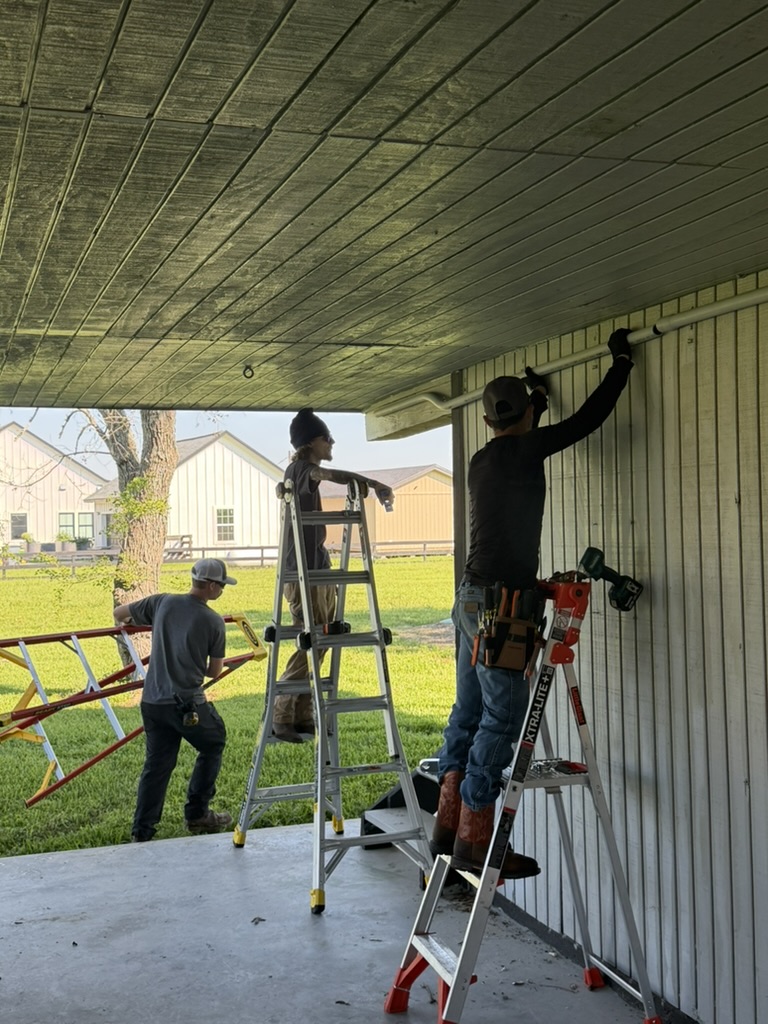
How a Professional Inspection Fixes Flickering Lights From the AC
A thorough electrical inspection is the most reliable way to get to the bottom of flickering lights from the AC. During an inspection, we examine the panel, the connections, the wiring, and the circuit serving your air conditioner. We measure the voltage drop that occurs when the unit starts and compare it against safe limits. This data tells us whether the flicker is normal startup behavior or a sign of a deeper problem. We also check the grounding and bonding that keep your system safe and stable. By the end, you receive a clear picture of your home’s electrical health.
The inspection turns guesswork into a precise plan of action. Rather than throwing parts at the problem, we identify the exact cause and recommend the fix that matches it. That might be a dedicated circuit, a connection repair, or a panel and service upgrade, depending on what the readings show. We explain every finding in plain language so you understand the why behind each recommendation. You see your options before any work begins, with full transparency and no surprises. This approach saves you money by solving the problem once.
Regular inspections also catch issues you cannot see before they cause flickering or worse. Connections loosen, panels age, and household electrical demand grows over the years. An inspection establishes a baseline and flags small problems while they are still cheap and easy to fix. For homes with heavy summer AC use, this peace of mind is especially valuable. Want a complete picture of your home’s electrical health? Click here for our electrical inspection service to have your system evaluated by a licensed professional.
Why Choose Schultz Family Electric for Flickering Lights When the AC Turns On
Schultz Family Electric brings a different mindset to every flickering light call we answer. We are electricians for life, not for the day, which means we build lasting relationships instead of chasing one time sales. You get honest recommendations and quality work with no upsells and no pressure. When you call, you reach a real person on our knowledgeable team, not an automated menu. We are based right here in Angleton and serve Brazoria County every single day. That local presence means faster response times and real familiarity with the electrical needs of homes in our area.
Our commitment to doing right by you shows up in how we price and stand behind our work. We waive our diagnostic fee when you choose us to handle the repair, so you know your options before any work begins. We are fully licensed under number 748217 and back every job with a lifetime craftsmanship warranty. Trained professionals handle your electrical work and stand behind every install we complete. That warranty reflects the confidence we have in the quality of what we build. You get transparency, fair pricing, and work that lasts.
When your lights flicker every time the AC kicks on, you deserve a clear answer and a fix you can trust. Our team will diagnose the true cause, explain your options in plain terms, and make the repair safely the first time. We treat your home with the same care and small town values we would want for our own families. From dedicated circuits to panel and service upgrades, we have the experience to keep your lighting steady all summer long. Call Schultz Family Electric today at (979) 264-9024 to schedule your service and put the flickering behind you for good.