
How To Wire A New Pool Pump Safely For Summer Swimming
Summer in Brazoria County means long afternoons in the backyard pool, and your pump is the workhorse that keeps that water clean, clear, and circulating. When you install a new pool pump, the wiring matters just as much as the plumbing connections, because a pool pump motor draws steady current and sits in a wet environment that demands extra protection. The National Electrical Code dedicates an entire article, Article 680, to pools and spas, and that article exists for one reason; water and electricity create real danger when they meet. Wiring a pump correctly protects swimmers from shock hazards, protects your equipment from premature failure, and keeps your installation legal and insurable. Many homeowners try to handle pool pump wiring themselves and end up with undersized wire, missing bonding, or no ground fault protection at all. Each of those mistakes can turn a relaxing swim into a serious emergency. This guide walks through how the wiring should be done, what the code requires, and why a licensed electrician is the safest choice for the job. By the end you will understand the difference between a quick hookup and a properly engineered circuit that lasts for years.
What You Need To Know Before You Wire A New Pool Pump
Before any wire gets pulled, you need to understand the electrical demands of your specific pool pump and the rules that govern its installation near water. Pool pumps come in single speed, dual speed, and variable speed models, and each one carries a nameplate that lists voltage and amperage ratings. Most residential pumps run on either 120 volts or 240 volts, and that choice changes the wire size, the breaker size, and the way the motor is connected. The motor nameplate is the single most important reference point for sizing the circuit, so read it carefully before buying any materials. You also need to know the distance from your electrical panel to the pump location, because longer runs require larger wire to prevent voltage drop. On top of all that, the code requires ground fault protection, equipotential bonding, and a disconnect placed a safe distance from the water. Skipping any one of these steps creates a hazard that may not show up until someone gets hurt. Understanding these requirements first saves money, time, and risk down the line.
Reading The Pool Pump Nameplate Before You Wire
The nameplate on a pool pump motor is a small metal or printed label that contains the data you need to wire the circuit correctly, and ignoring it is one of the most common installation errors. It lists the operating voltage, the full load amperage, the service factor, and often the recommended breaker or fuse size. A pump rated for 240 volts wired to a 120 volt circuit will run poorly, overheat, or fail outright, so matching the voltage exactly is the first rule. The full load amperage tells you how much current the motor pulls under normal operation, and that number drives your wire gauge and breaker selection. Variable speed pumps add another layer because they often have onboard controls that require specific wiring configurations spelled out in the manufacturer instructions. Many of these pumps can be field configured for either voltage, which means someone has to set the internal jumpers correctly before power is applied. Getting the voltage setting wrong on a variable speed unit can destroy the control board in seconds. Always keep the manufacturer manual on hand and follow the wiring diagram printed inside it, because that diagram reflects the exact model in front of you.
Sizing the wire and breaker from the nameplate data is where the technical work really begins, and it follows a clear set of rules that protect both the motor and the people near it. The code generally requires the circuit conductors to carry at least 125 percent of the motor full load amperage, which gives the motor headroom to start and run without overheating the wire. For example, a pump pulling around 10 amps at 240 volts typically needs a 20 amp circuit with properly sized copper conductors. Longer wire runs from the panel to the pump may push you to a larger wire size to keep voltage drop within safe limits, because a motor starved of voltage runs hot and dies young. The breaker must protect the wire while still allowing the motor to start, and oversizing a breaker to stop nuisance trips is a dangerous shortcut that defeats the protection. Aluminum and copper conductors carry current differently, so the wire material affects the gauge you choose. A licensed electrician runs these calculations as a matter of routine and pulls the right materials the first time. Guessing at wire size is how panels overheat and how insulation melts inside a wall.
The location and rating of every component in a pool pump circuit must match the wet, outdoor conditions where the pump lives, and indoor rated parts have no place near a pool. Conduit, fittings, junction boxes, and the disconnect must all carry a rating for wet locations or outdoor use, because rain, splash, and humidity attack ordinary hardware quickly. Liquidtight flexible conduit is the common choice for the final connection to the pump motor, since the pump vibrates and may need to be removed for service. The wiring method also has to resist corrosion from pool chemicals that drift through the air around the equipment pad. A weatherproof junction box keeps connections dry and protected, while exposed connections invite moisture, corrosion, and eventual failure. Even the screws and clamps should resist rust in this environment. When you set up a proper pool wiring installation, every piece is chosen to survive years of sun, water, and chemical exposure. That attention to materials is what separates a safe install from one that degrades within a single summer.

Why A Pool Pump Needs A Dedicated Circuit
A dedicated circuit means the pool pump has its own breaker and its own wire running back to the panel with nothing else sharing that path, and this is not optional for a properly engineered installation. When a pump shares a circuit with other loads, the combined current can exceed the wire rating and trip the breaker repeatedly or overheat the conductors. Pool pump motors also draw a surge of current at startup that can dim lights or disturb other equipment on the same circuit. A dedicated line keeps that startup surge isolated so the rest of your home runs smoothly. The code treats motor circuits with specific rules, and a dedicated circuit makes those rules straightforward to apply and to inspect. Sharing a circuit also makes troubleshooting harder, because a fault could come from the pump or from anything else tied to the same wire. Isolating the pump gives you a clean, predictable system that is easy to maintain.
Installing a dedicated circuit for your pool pump starts at the panel, where an electrician confirms there is capacity for the new load before adding a breaker. Older panels may already be near their limit, and adding a pump circuit to a full panel can force a panel evaluation or upgrade. The new breaker has to match the wire size and the motor amperage, and it must be the correct type for the application. From the breaker, the wire travels through conduit out to the pump location, often underground in a buried conduit run that meets minimum depth requirements. Underground runs have their own code rules about burial depth and conduit type, and getting those right prevents damage and water intrusion. The conductors land in a disconnect first, then continue to the pump motor through the final flexible connection. Every connection along that path needs to be torqued correctly and protected from moisture.
The benefit of a dedicated pool pump circuit shows up every day your pool runs, and it pays off most when something goes wrong. If the pump develops a fault, only that circuit trips, leaving the rest of your home powered and your safety equipment functioning. A dedicated circuit also makes future service simple, because a technician can shut off power to the pump alone without affecting anything else. Energy monitoring becomes easier too, since you can see exactly what the pump consumes on its own breaker. Variable speed pumps that run long hours benefit from a clean dedicated supply that holds steady voltage. When you sell your home, a properly permitted dedicated pool circuit is a selling point that inspectors and buyers respect. The small extra cost of doing it right disappears next to the cost of repeated trips, motor failures, or a safety incident. A dedicated circuit is the foundation that every other safety feature builds on.
Ground Fault Protection And Bonding For Pool Pump Wiring
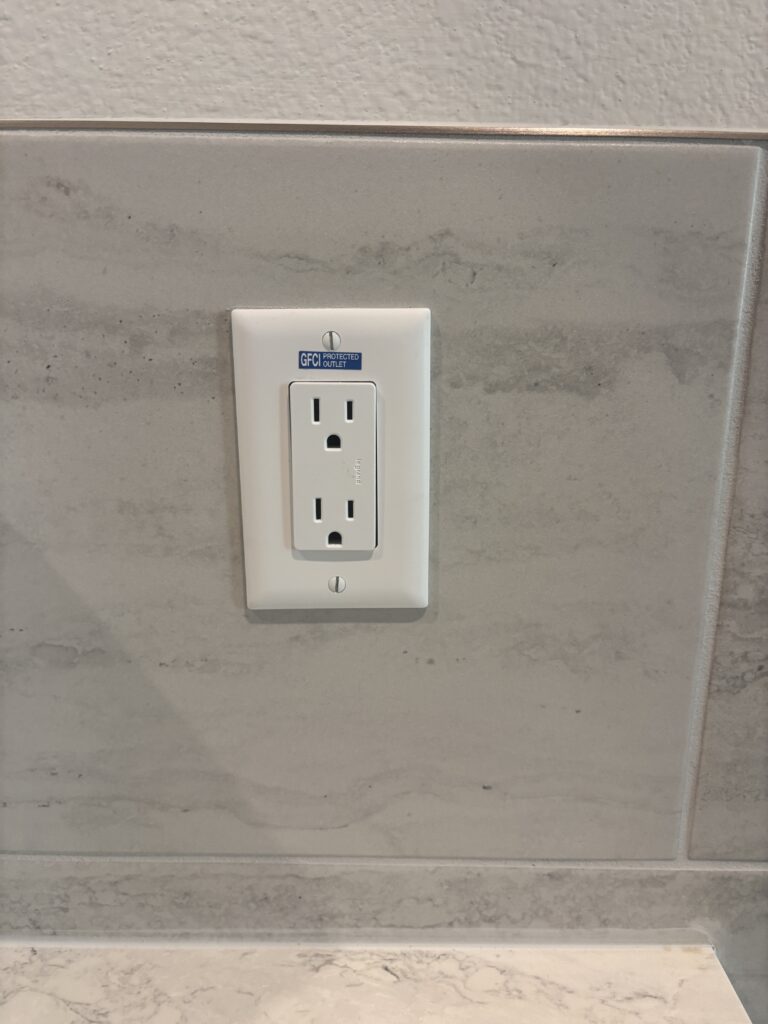
Ground fault protection is the single most important safety feature in pool pump wiring, and the code requires it because a tiny leakage of current near water can be deadly. A ground fault circuit interrupter, or GFCI, monitors the current flowing out to the pump and the current returning, and it shuts off power in a fraction of a second if those two values do not match. That mismatch means current is escaping somewhere it should not, possibly through a person standing in or near the water. Modern code requires GFCI protection on the branch circuit serving pool pump motors, and this applies to both 120 volt and 240 volt units. The protection can come from a GFCI breaker at the panel or from a properly rated device at the equipment. Testing the GFCI monthly confirms it still works, because the device can fail over time and stop protecting you. A professional GFCI outlet installation or breaker setup guarantees the right device is installed in the right place. This one feature has prevented countless electrocutions around pools.
Equipotential bonding is a separate requirement from grounding, and confusing the two is a serious mistake that leaves swimmers exposed to shock. Bonding ties all the metal parts around the pool together with a heavy copper conductor, usually a solid number 8 copper wire, so they all sit at the same electrical potential. That bonded grid includes the pump motor, metal ladders, handrails, the pool shell reinforcing steel, and any metal within a defined distance of the water. When everything is bonded together, stray voltage cannot create a difference between two surfaces that a swimmer might touch at once. Without bonding, a small fault could put voltage on a metal ladder while the water sits at a different potential, and a person bridging the two becomes the path. The bonding conductor connects to lugs provided on the pump motor and to a bonding grid that runs around the pool structure. This work is hidden once the deck is poured, so it must be done correctly during construction or renovation.
Grounding and bonding work together but serve different jobs, and proper electrical grounding completes the safety system that protects your pool. The equipment grounding conductor gives fault current a low resistance path back to the panel so the breaker trips quickly during a fault. This green or bare wire runs alongside the circuit conductors from the panel all the way to the pump and connects to the motor frame. Grounding ensures that a fault inside the motor energizes the trip path instead of energizing the motor housing where someone could contact it. The bonding system handles voltage differences across the pool area, while the grounding system handles clearing faults at the source. Both must be present and both must be installed to code for the pool to be safe. An electrician verifies continuity on both systems before energizing the pump, often with a meter that confirms every connection. When grounding and bonding are done right, the invisible safety net around your pool stays intact for the life of the installation.
Common Pool Pump Wiring Mistakes And How To Avoid Them
Pool pump wiring looks simple on the surface, which is exactly why so many do it yourself installations end up with dangerous errors hidden behind a tidy looking connection. The most frequent problems include undersized wire, missing or improper bonding, no ground fault protection, and disconnects placed too close to the water. Each of these mistakes may let the pump run for a while, which fools the homeowner into thinking the job was done correctly. The danger reveals itself later, sometimes during a storm, sometimes when a swimmer touches a metal rail at the wrong moment. Brazoria County weather adds humidity, heat, and salt air that punish weak connections and accelerate corrosion. Permits and inspections exist to catch these problems before they hurt anyone, yet many unpermitted pool jobs skip that safeguard entirely. Knowing the common failure points helps you recognize a poor installation and understand why professional work is worth the cost.
Avoiding Undersized Wire In Pool Pump Wiring
Undersized wire is one of the most common and most hidden pool pump wiring mistakes, and it causes problems that build slowly until something fails. When the wire gauge is too small for the motor current and the run distance, the conductors heat up every time the pump runs. That heat degrades the insulation over months and years until it cracks, shorts, or sparks inside the conduit. Voltage drop across an undersized run also starves the motor, forcing it to draw even more current and generate even more heat in a worsening cycle. A pump fed by undersized wire often fails early, and the homeowner blames the pump when the real culprit is the wiring. The fix requires pulling new, properly sized conductors, which costs far more after the deck and conduit are in place. Sizing the wire correctly from the start avoids all of this.
Calculating the correct wire size depends on the motor amperage, the circuit voltage, the run length, and the conductor material, and skipping that calculation is where amateurs go wrong. A short run to a small 120 volt pump might need only modest wire, while a long underground run to a 240 volt variable speed pump can require a noticeably larger gauge. Voltage drop guidelines suggest keeping the drop under three percent for a branch circuit, and meeting that target on a long run means upsizing the conductors. Copper carries more current than aluminum of the same gauge, so the material choice shifts the numbers. Temperature ratings of the wire insulation also factor in, since hot outdoor conduit derates the wire capacity. These variables interact, and the only reliable way to handle them is a proper load and distance calculation. Licensed electricians do this work every day and carry the reference tables and meters needed to verify their results.
The consequences of undersized pool pump wiring reach beyond a failed motor, because overheated conductors are a genuine fire risk. Heat inside a buried or in wall conduit has nowhere to escape, so it bakes the insulation until it loses its protective properties. Once the insulation fails, conductors can short against each other or against the conduit, drawing a fault that may or may not trip a breaker in time. A breaker sized too large to mask the symptoms of undersized wire makes this far more dangerous, because it lets the wire overheat without tripping. Outdoor equipment pads near pools collect moisture and debris that make any electrical fault more hazardous. The combination of heat, moisture, and a weak circuit is exactly the recipe a code compliant installation is designed to prevent. Doing the wire sizing right protects your home, your pool equipment, and the people who use both.
Keeping The Disconnect And Bonding Correct In Pool Pump Wiring
A disconnecting means for the pool pump must be installed in a specific location, and placing it incorrectly is a mistake that creates both a code violation and a safety hazard. The code requires the disconnect to be readily accessible, within sight of the pump, and at least five feet horizontally from the inside walls of the pool. That five foot rule keeps a person from standing in or near the water while reaching for the switch, which would put them in a dangerous position during a fault. Within sight means the disconnect is visible from the pump so a technician servicing the motor can confirm power is off and keep it off. A disconnect hidden inside a garage or behind the house defeats this purpose entirely. The disconnect also needs a wet location rating because it lives outdoors near splashing water. Getting the placement right is a simple rule that protects every person who ever services the equipment.
Bonding mistakes are especially dangerous because the work hides under decking and inside equipment pads where no one can see it after construction, and a missing bond gives no warning. The pump motor includes a bonding lug specifically for the number 8 copper bonding conductor, and that lug must actually be connected, not left empty. Replacing an old pump is a common moment when bonding gets dropped, because the installer disconnects the old motor and forgets to reconnect the bond to the new one. A pool that swam safely for years can suddenly become hazardous after a pump swap that skipped the bonding step. Corrosion can also break a bonding connection over time, which is why connections should use proper listed lugs and corrosion resistant hardware. Testing bonding continuity with a meter confirms the grid is intact and doing its job. This verification takes minutes for a professional and offers enormous peace of mind.
Permits and inspections tie all of these requirements together, and treating them as optional paperwork is a costly mistake for pool pump wiring. A permit triggers an inspection by a qualified official who checks the wire size, the disconnect location, the bonding, the grounding, and the ground fault protection. That independent review catches errors before the system is energized and before anyone gets in the water. Unpermitted pool electrical work can void homeowner insurance, complicate a future home sale, and leave you personally liable if someone is injured. Insurance companies and home inspectors look closely at pool wiring because they know the risks involved. A licensed electrician pulls the permit, performs the work to code, and schedules the inspection as part of the job. If you ever face a sudden failure or a hazard you cannot diagnose, an emergency electrician can respond quickly to make the system safe. Doing the job by the book is the surest way to protect your family and your investment.
Why You Need A Licensed Electrician For Pool Pump Wiring
Pool pump wiring sits at the intersection of high current, constant moisture, and people in bare feet, which is exactly why this is not a job for guesswork or weekend experimentation. A licensed electrician brings the code knowledge, the calculation skills, and the tools to install a circuit that is safe today and stays safe for years. The cost of professional work is small compared to the cost of a failed motor, a fire, or an injury caused by a hidden mistake. Schultz Family Electric installs pool pump circuits across Brazoria County and understands the local conditions, permitting process, and code requirements that apply here. When you hire a professional, you get an installation that passes inspection, protects swimmers, and runs reliably all summer. The peace of mind that comes from knowing the work was done right is worth every penny.
The Safety Case For Professional Pool Pump Wiring
Professional pool pump wiring exists to protect lives, and that is not an exaggeration when you consider how dangerous electricity becomes around water. A licensed electrician installs ground fault protection that shuts off power before a leak can harm a swimmer. The same professional installs and verifies the bonding grid that keeps every metal surface at a safe equal potential. These two systems work silently in the background, and most people never think about them until they fail. A trained electrician tests both systems with proper meters before energizing the pump, confirming the safety net is real and not just assumed. That verification is something most homeowners cannot perform on their own.
Beyond the immediate safety systems, professional work prevents the slow failures that turn into hazards over time, and that long view is part of what you pay for. Correctly sized wire runs cool and lasts for decades instead of degrading inside the conduit. Wet location rated components resist the moisture and chemicals that destroy ordinary hardware around a pool. Proper torque on every connection prevents the loose joints that arc, heat, and eventually fail. A professional also documents the work and pulls the permit so an inspector confirms everything meets code. All of these details add up to an installation you can trust without thinking about it.
The Schultz Family Electric approach treats pool pump wiring as a safety system first and a convenience second, because that order keeps everyone protected. Our electricians follow Article 680 to the letter and verify their work with testing instead of assumptions. We explain what we are doing and why, so you understand the protection built into your system. We waive our diagnostic fee when you choose us for the repair, so you know your options before any work begins with full transparency. Our work carries a lifetime craftsmanship warranty, which means we stand behind every connection we make. That combination of code knowledge and accountability is what makes professional pool wiring the right call.
How Professional Pool Pump Wiring Saves You Money
Professional pool pump wiring saves money in ways that are easy to overlook when you only compare the upfront price of doing it yourself. A correctly sized and installed circuit lets the pump run at its rated efficiency instead of fighting voltage drop and overheating. Variable speed pumps in particular depend on clean, stable power to deliver the energy savings they promise. A poorly wired pump draws more current, runs hotter, and burns out years before it should, forcing an early and expensive replacement. The cost of one failed pump motor often exceeds the cost of having the circuit done right from the start. Spending a little more on proper wiring protects the much larger investment in the pump itself.
Avoiding rework is another major source of savings, because fixing a buried or in wall wiring mistake is far more expensive than doing it right once. Pulling new conductors after the deck is poured or the conduit is buried can mean breaking concrete or digging up the yard. A failed inspection on unpermitted work can force you to redo the entire installation to bring it up to code. These corrective jobs cost far more than the original work would have, and they delay your use of the pool. A professional installation passes inspection the first time and avoids these expensive surprises. Doing it right once is always cheaper than doing it wrong and then fixing it.
The long term value of professional pool pump wiring shows up in reliability, insurance, and home value, and these benefits compound over the years you own the pool. A permitted, code compliant pool circuit protects your homeowner insurance coverage and avoids the liability of unpermitted work. When you sell, inspectors and buyers see properly documented electrical work as a sign of a well maintained home. Reliable wiring means fewer service calls, fewer trips, and fewer summer days lost to a pump that will not run. Schultz Family Electric builds these long term benefits into every installation we complete. The result is a pool system that costs less to own across its entire life.
Why Choose Schultz Family Electric For Pool Pump Wiring
Schultz Family Electric is built on the idea of being your electrician for life, not for the day, and that commitment shapes every pool pump installation we perform. We are not interested in chasing one time sales or pushing upsells you do not need. You get honest recommendations and quality work, with clear explanations of your options before any work begins. Our team has installed and serviced pool circuits throughout Brazoria County, so we know the local code requirements and conditions. That local familiarity means faster response times and a real understanding of what your pool needs. We treat your safety and your trust as the foundation of our business.
When you call Schultz Family Electric, you reach a real person who can help, not an automated system that wastes your time. We are based in Angleton and serve Brazoria County every day, which keeps us close when you need us. We are fully licensed under number 748217 and back every job with a lifetime craftsmanship warranty. That warranty reflects our confidence in the trained professionals who handle your electrical work. We stand behind every install, every connection, and every safety system we put in place. Small town values guide how we treat our customers and how we do our work.
Your pool should be a place of relaxation and safety this summer, and proper pool pump wiring is what makes that possible. If you are installing a new pump or you suspect your existing wiring was not done correctly, our team can inspect, repair, and install the circuit to full code. Learn more about our complete pool wiring service and how we keep your backyard safe all season long. We will handle the permits, the bonding, the ground fault protection, and the inspection so you can simply enjoy the water. Call Schultz Family Electric today at (979) 264-9024 to schedule your pool pump wiring and trust your summer to a team that puts safety first.